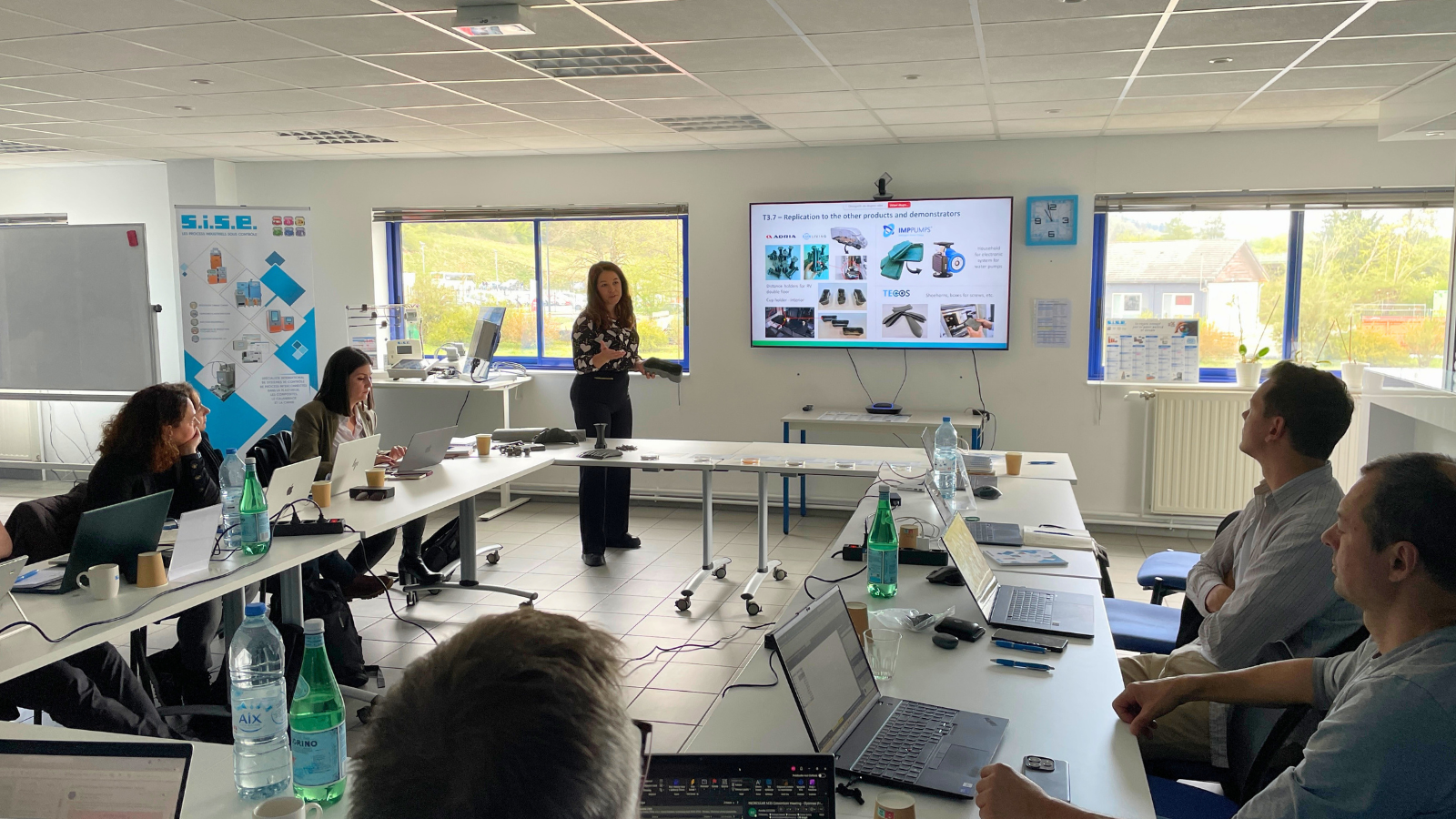
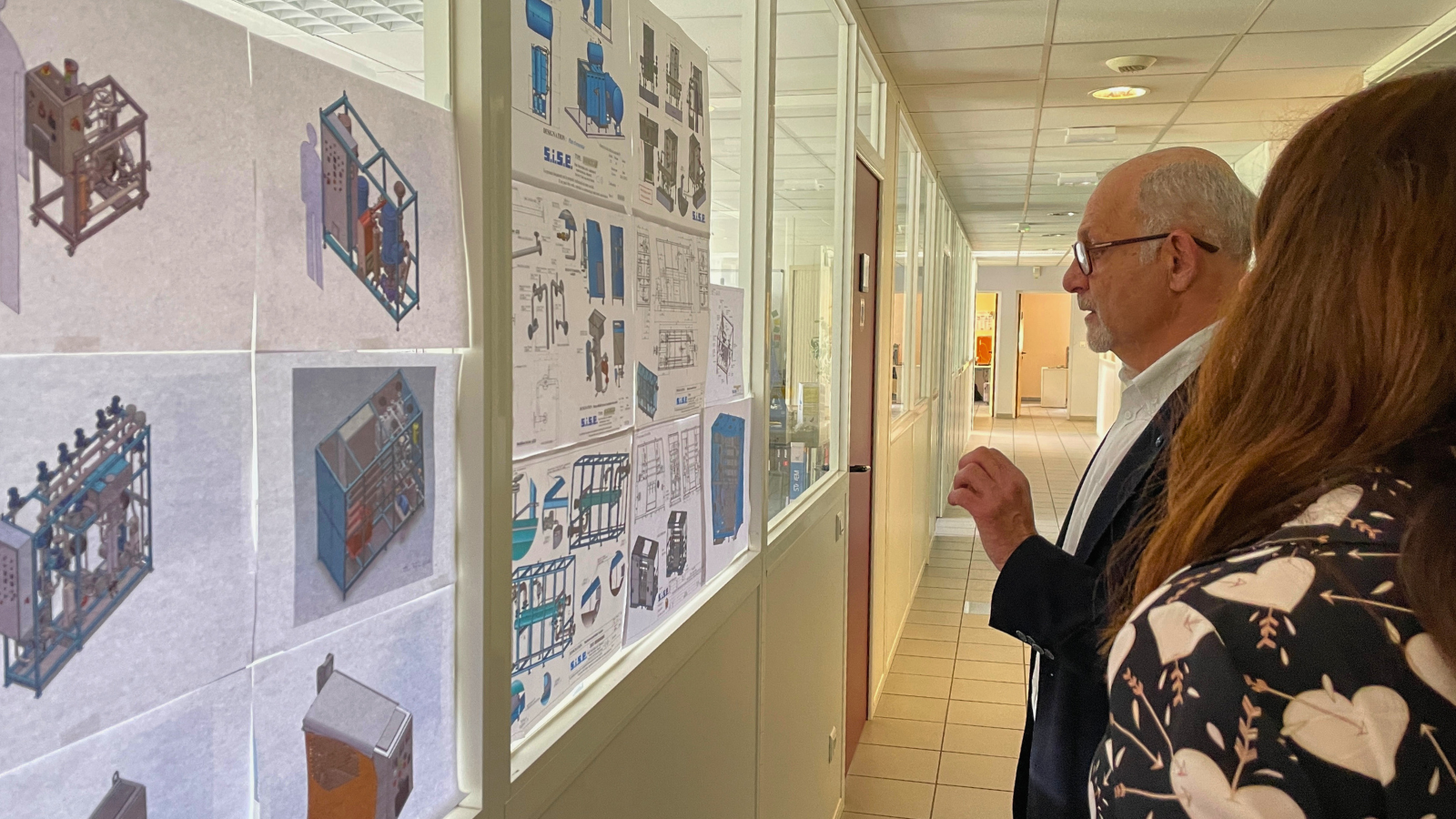
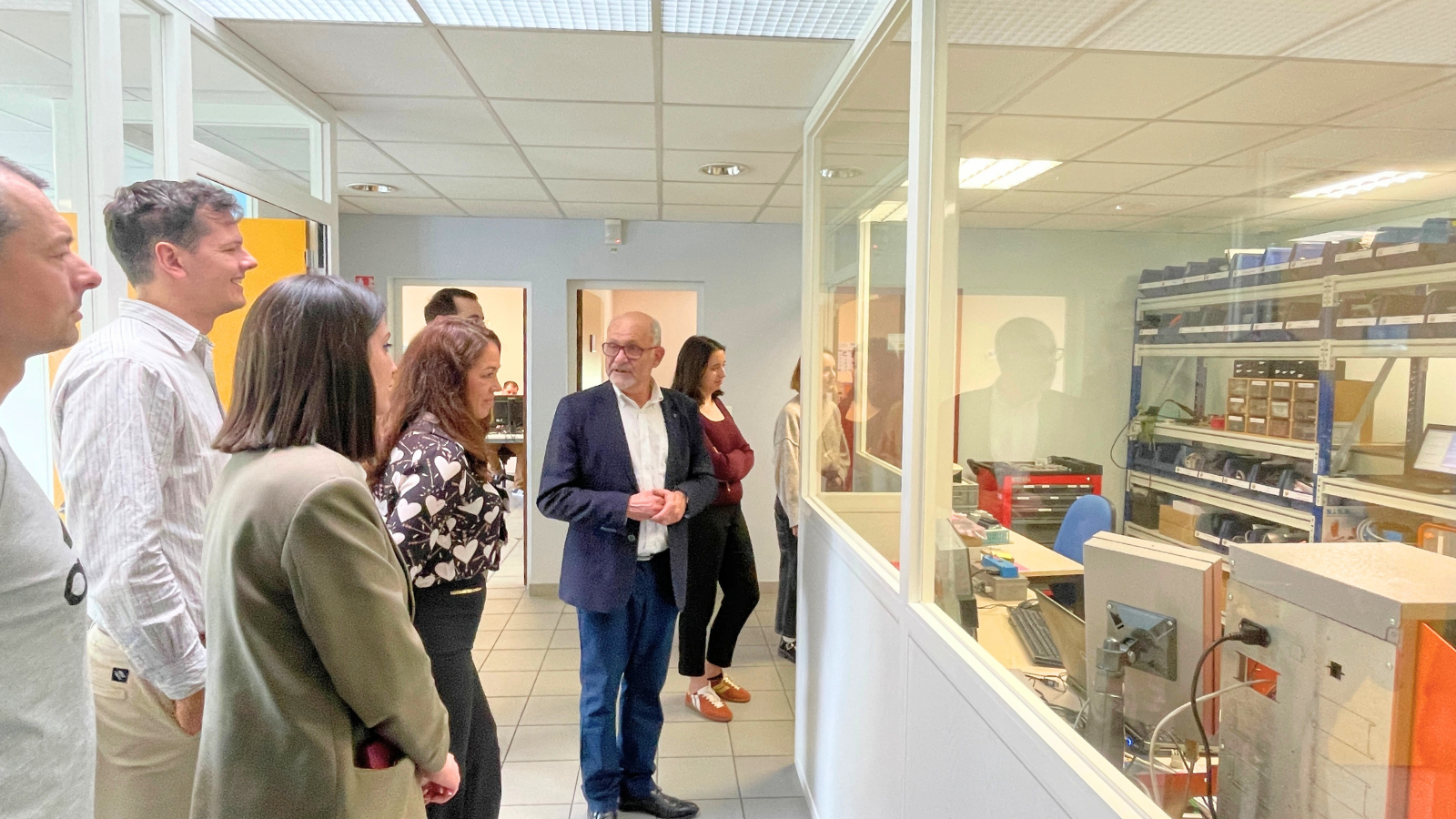
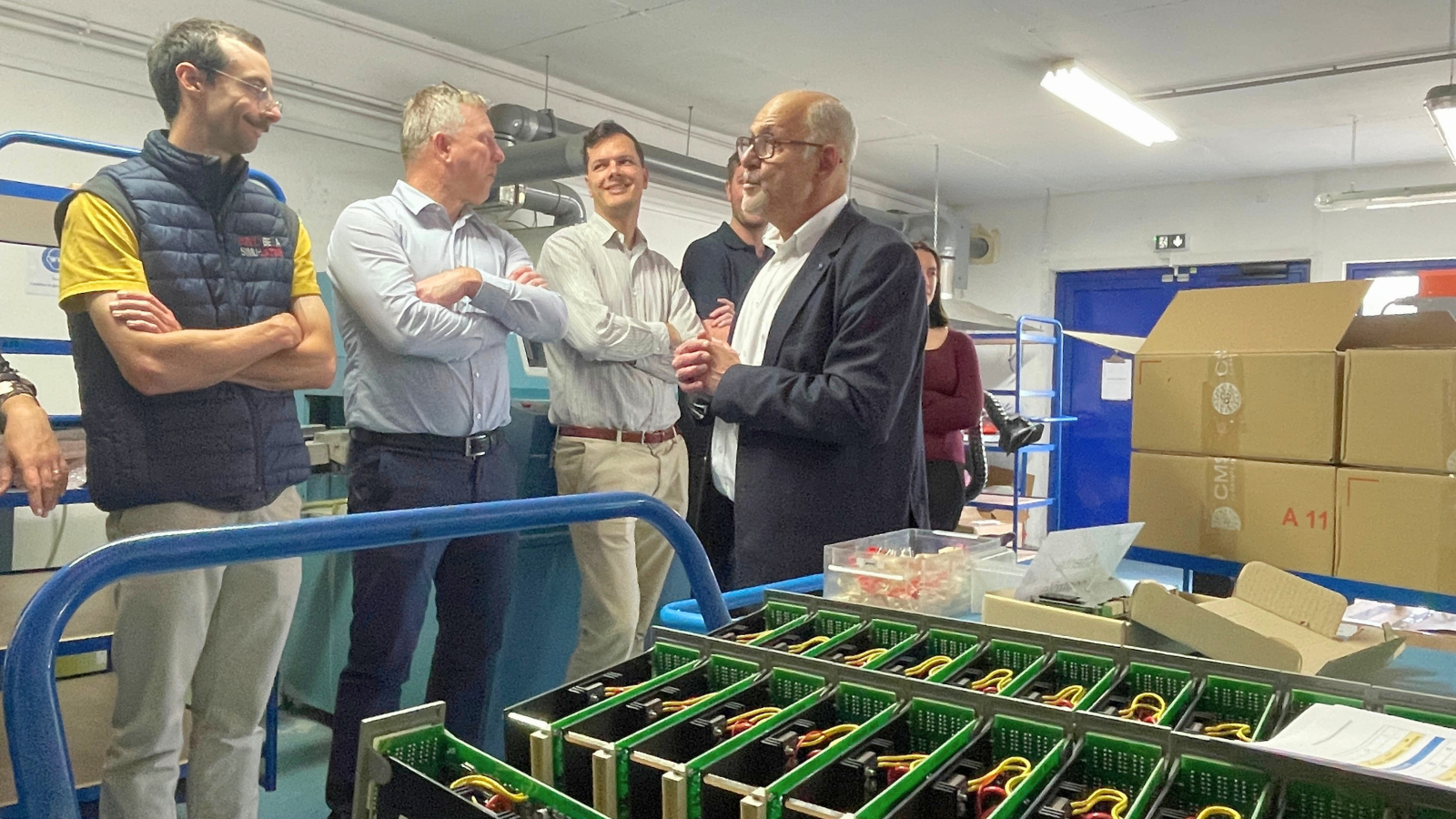
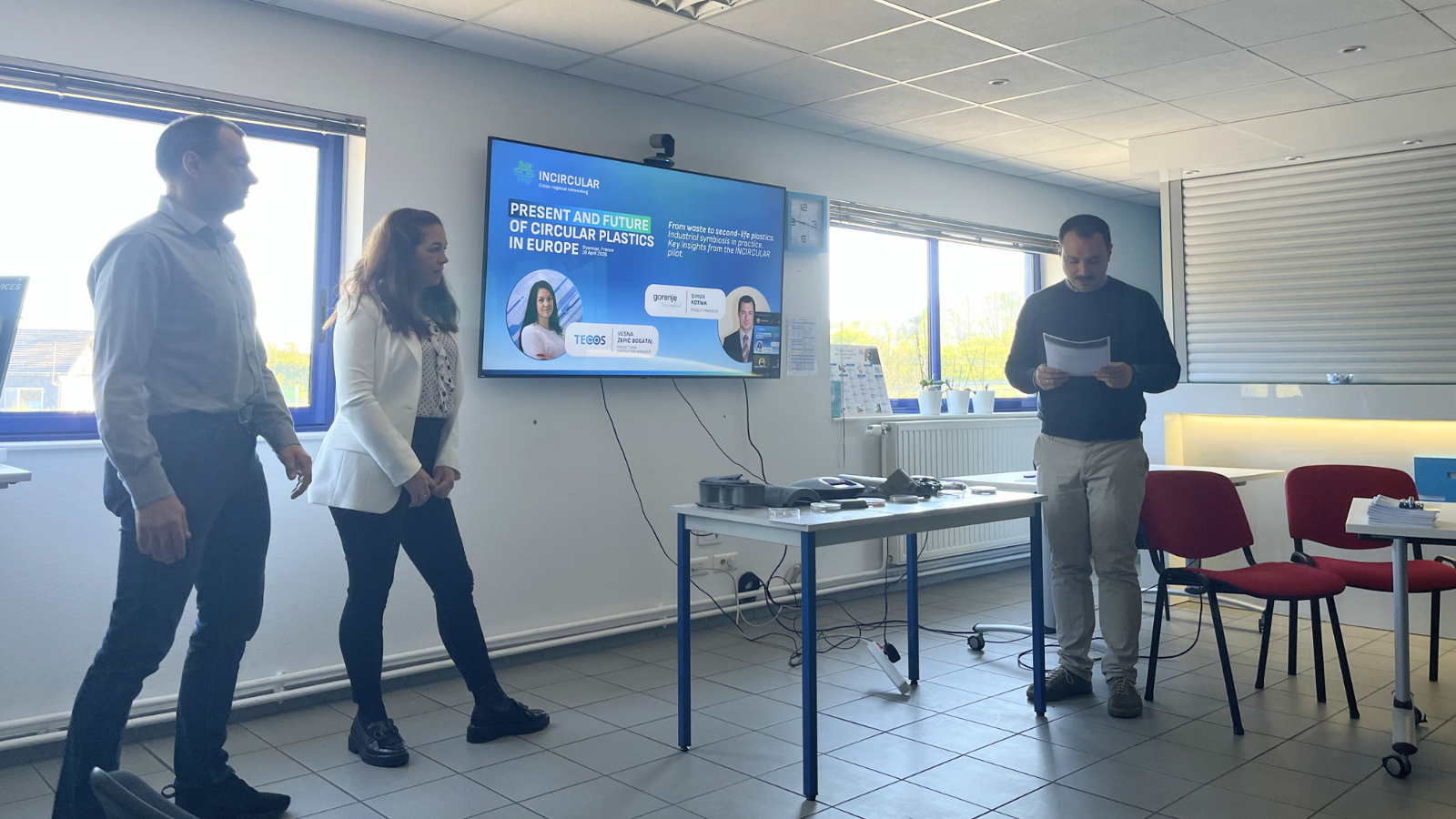
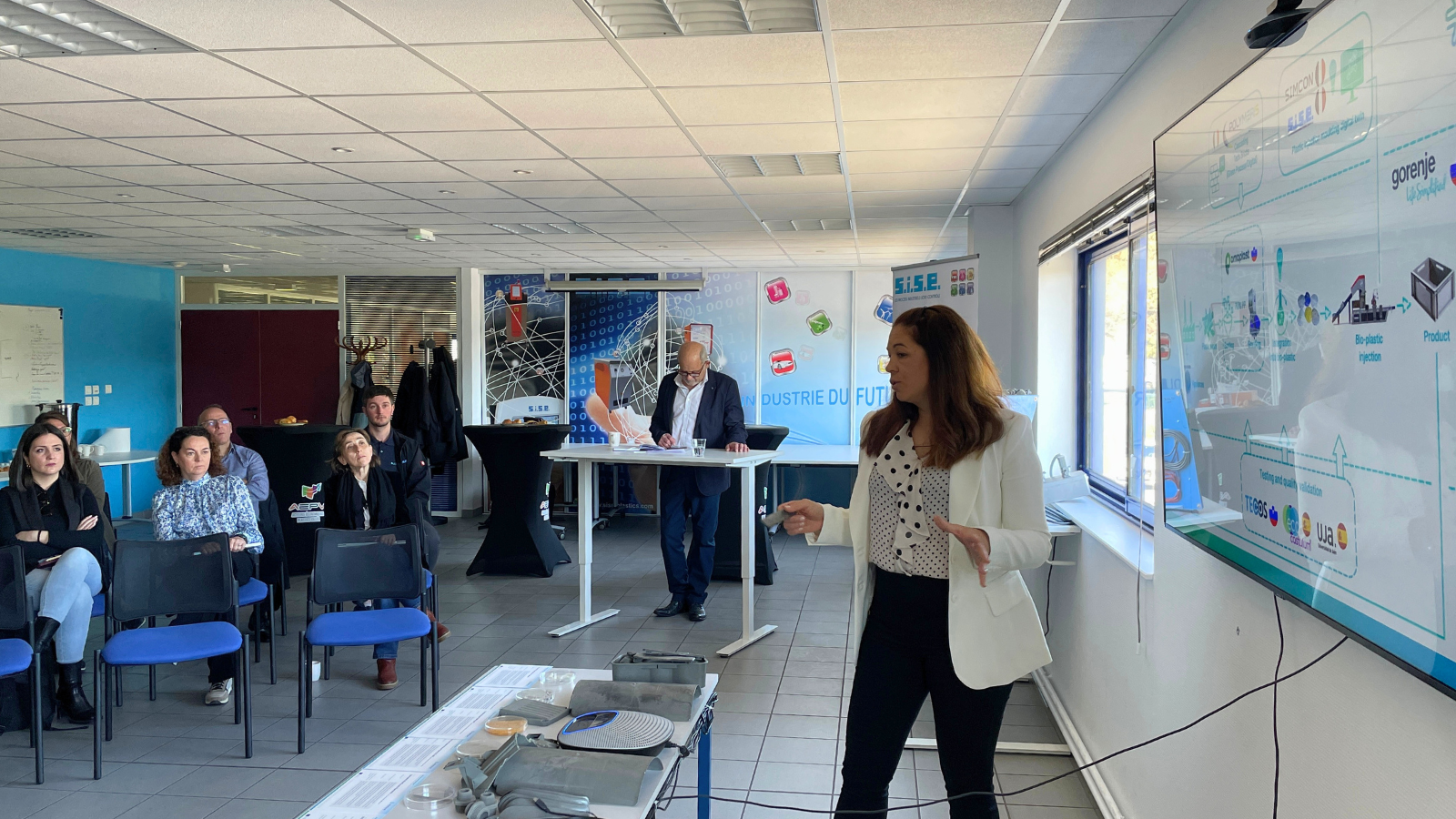
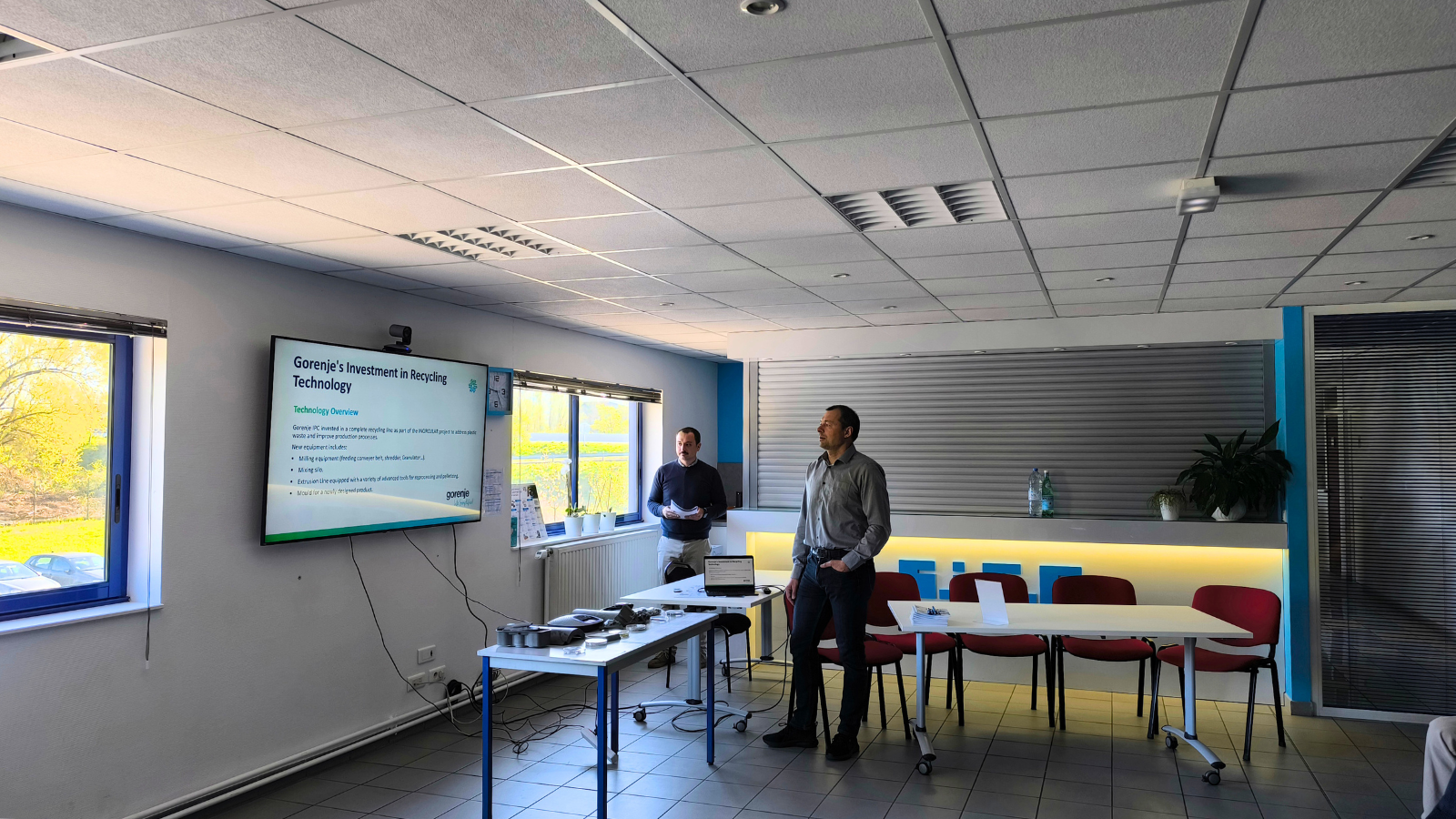
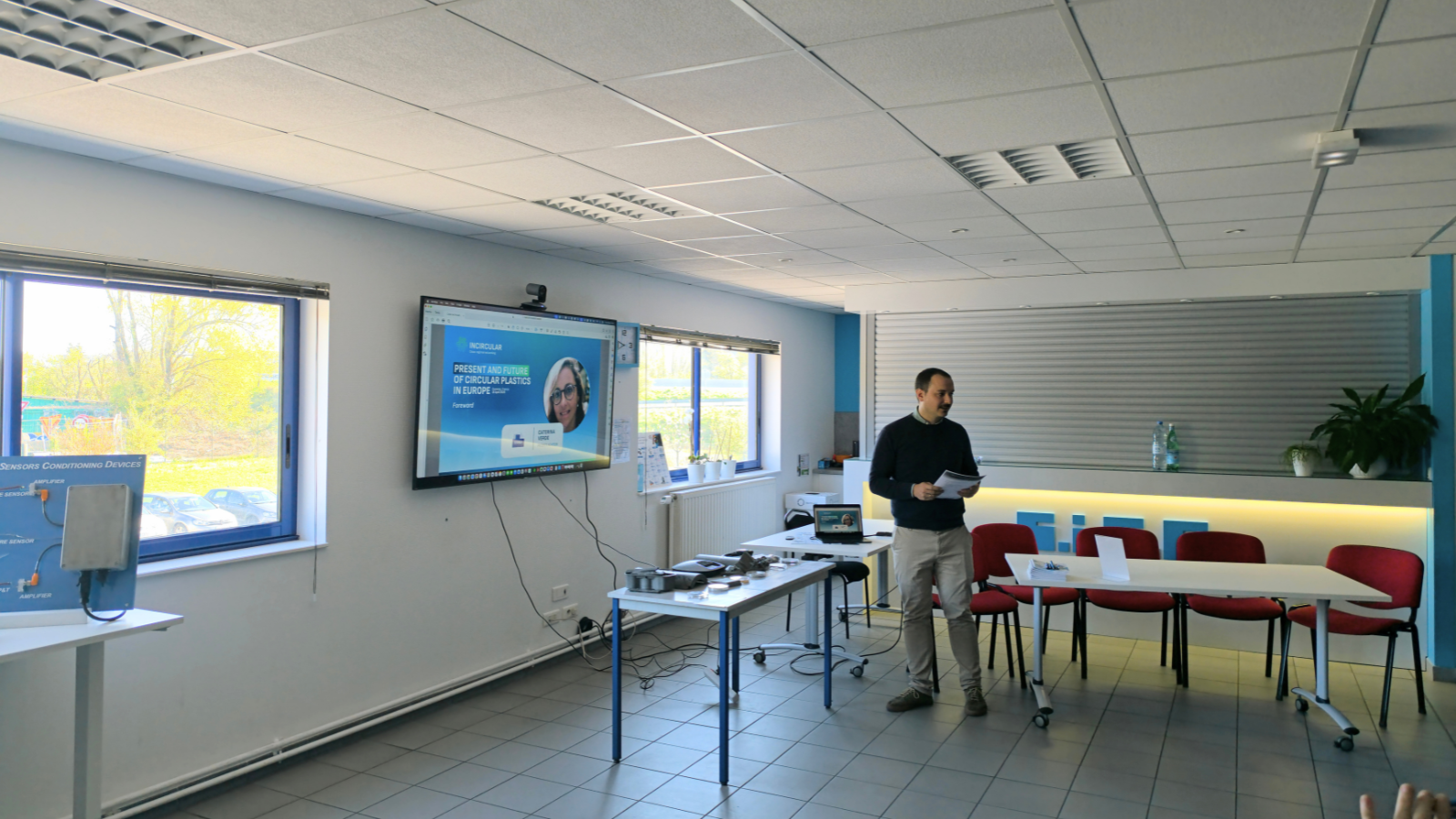
The INCIRCULAR project continues to foster collaboration and knowledge sharing across regions with its series of emulation sessions. This new cross-regional networking event shifted the lens toward the industrial scale-up, interregional replication of circular solutions and the role of clusters as key actors in accelerating the adoption of those solutions.
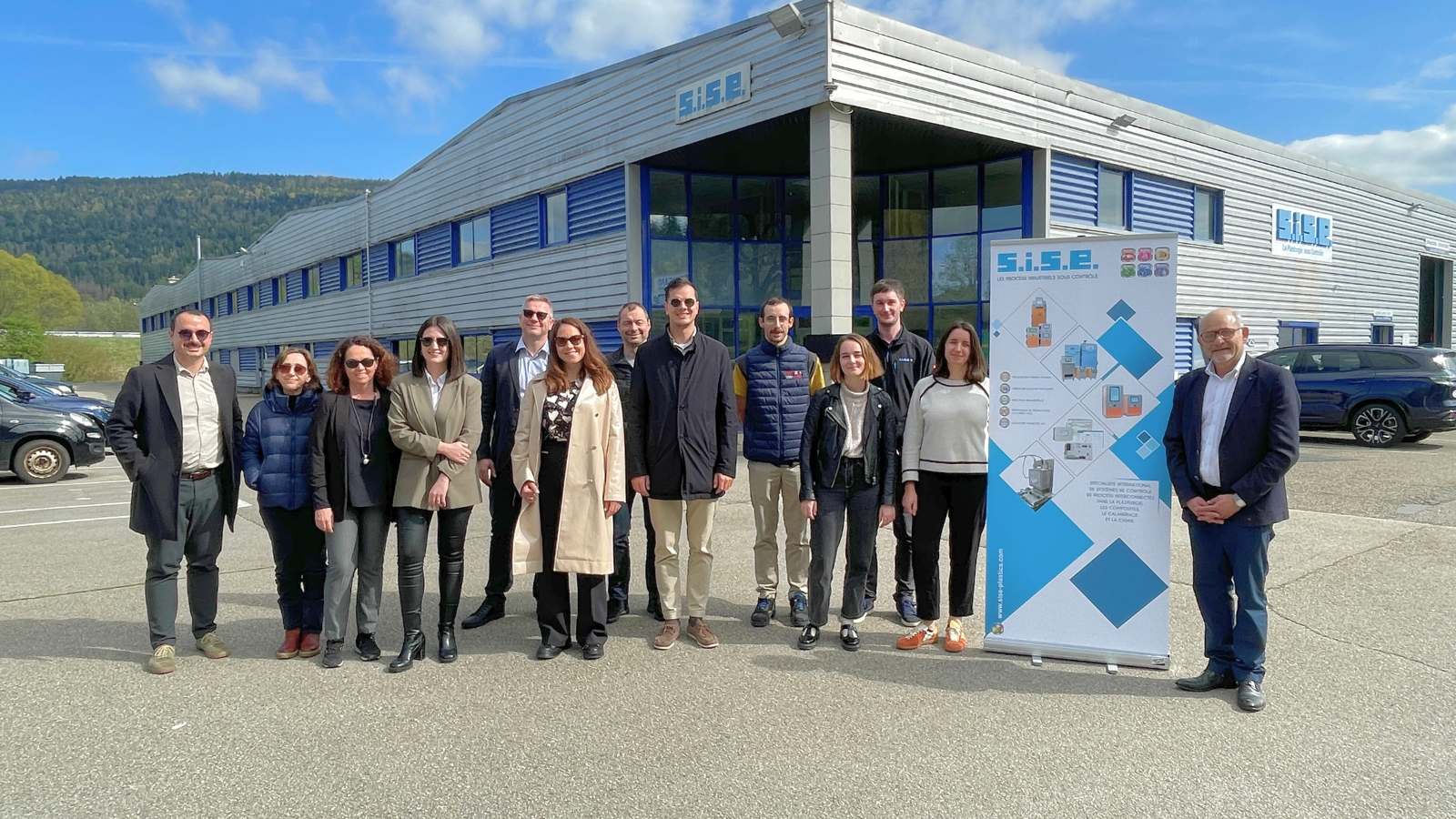
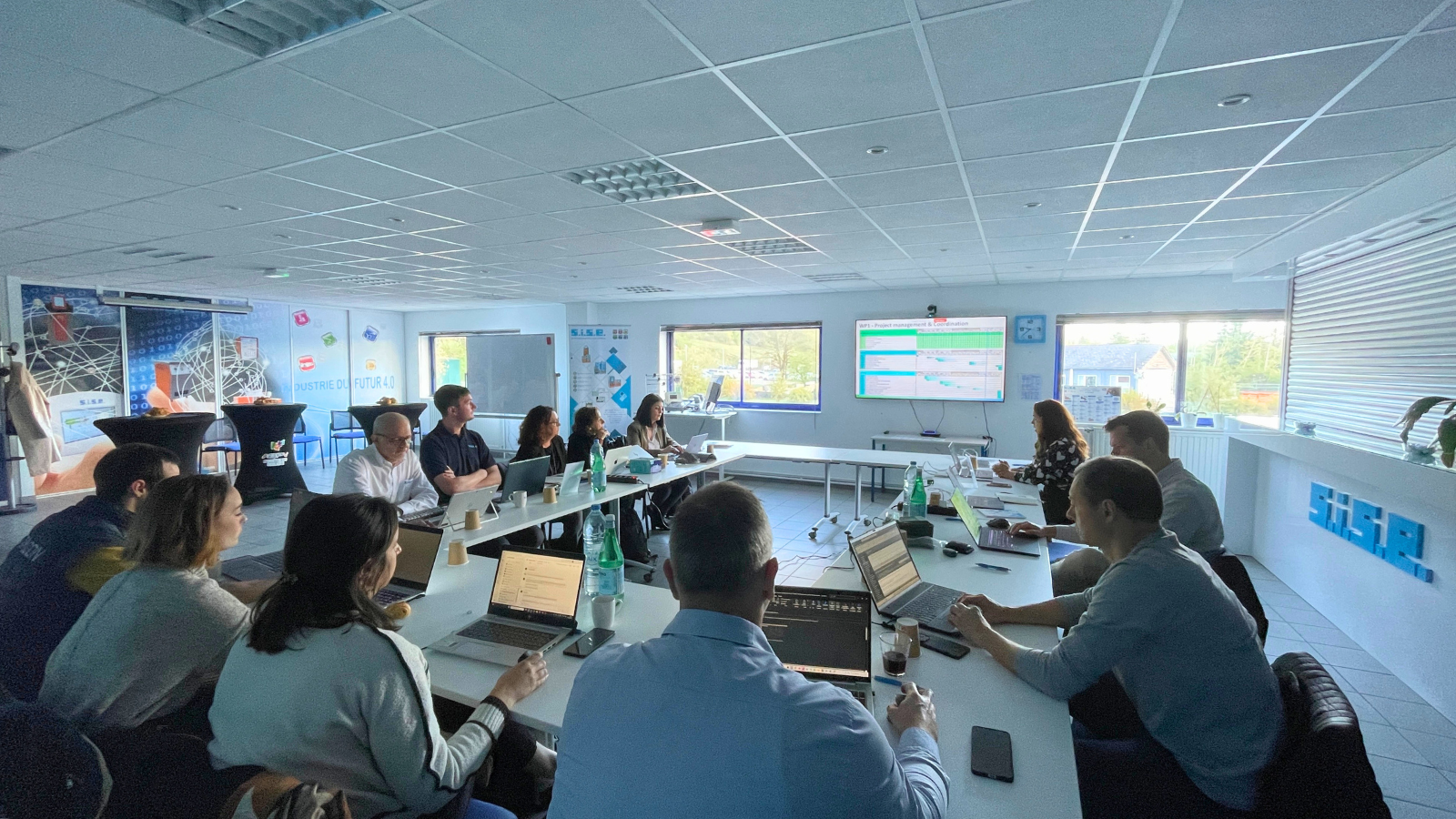
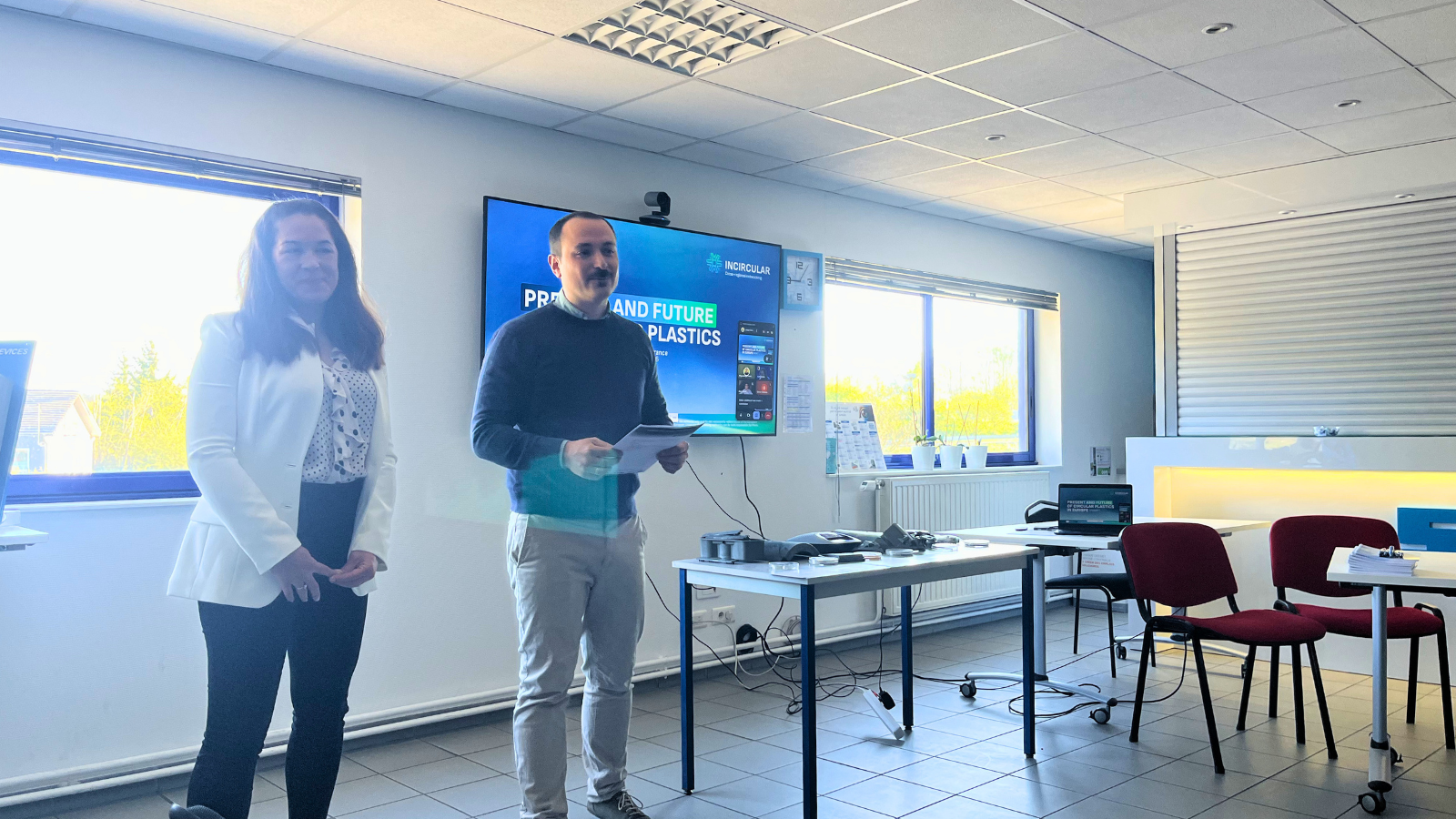
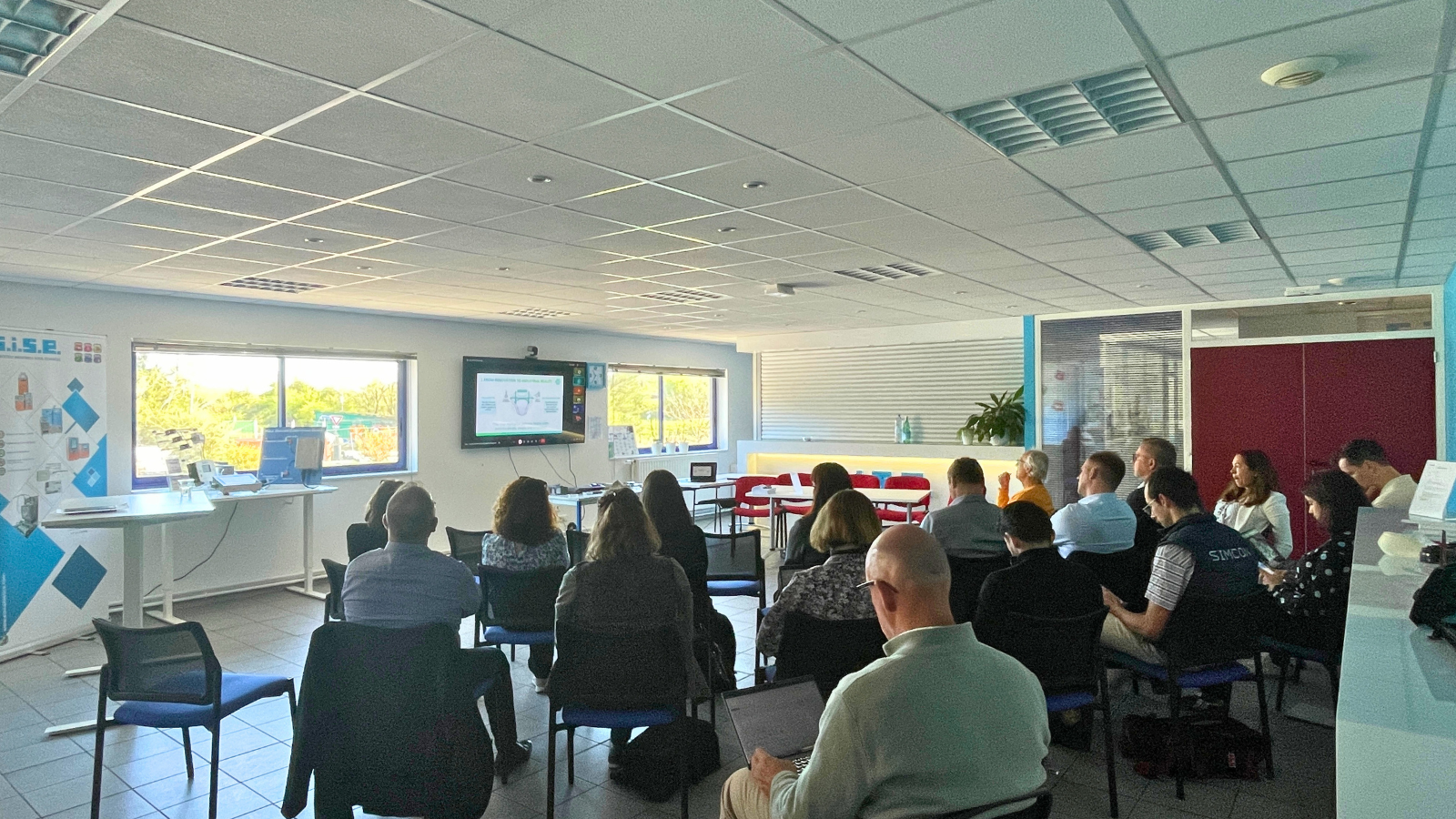
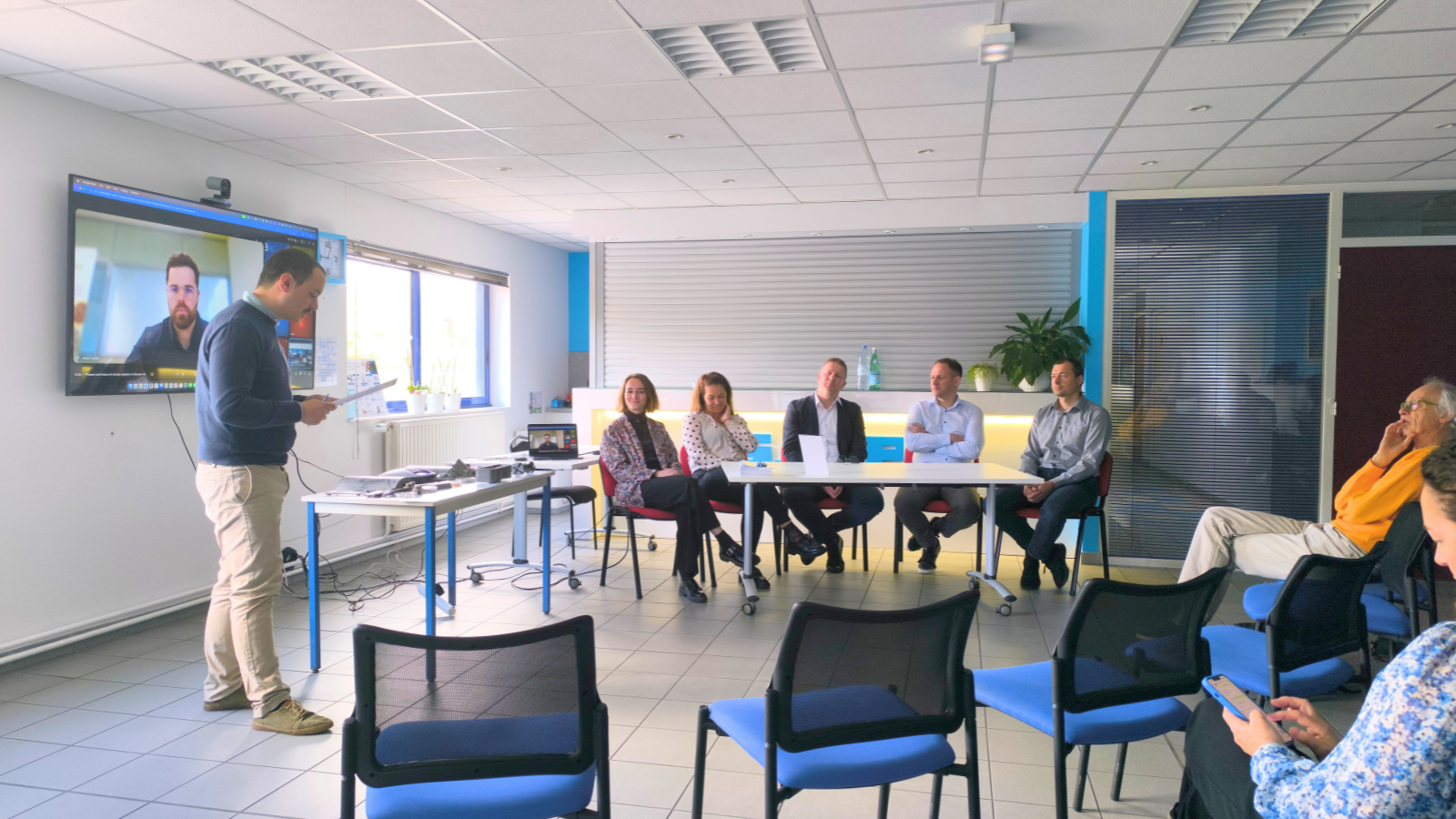
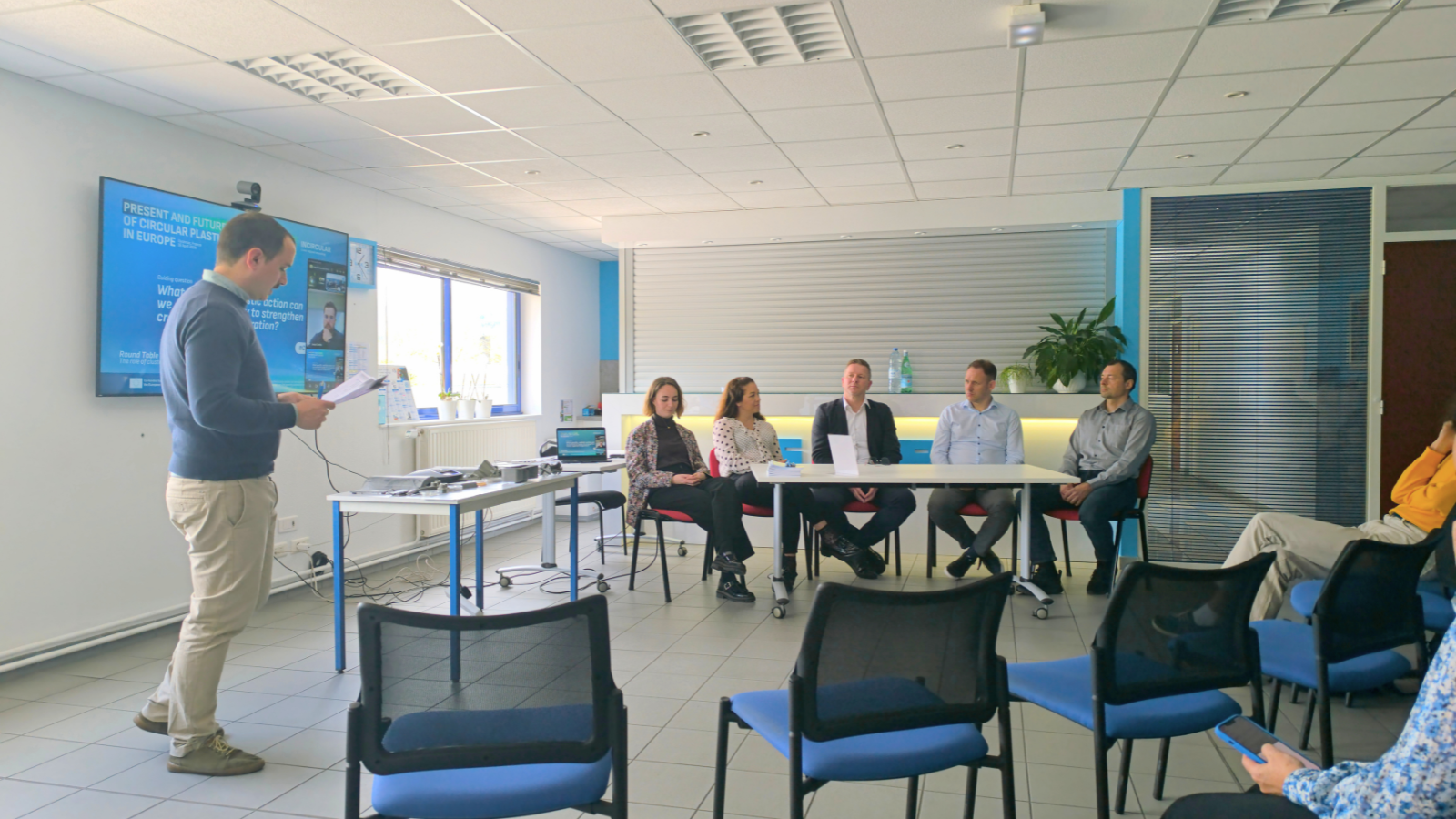
The event, titled “The Present and Future of Circular Plastics in Europe: From Industrial Demonstration to Interregional Scale-Up” took place on April 16th, 2026, at the S.I.S.E. facilities in Oyonnax, France. Located in the heart of “Plastic Valley”, this session brought together clusters, industrial stakeholders, SMEs, and policymakers to explore how circular plastic solutions can move from pilot demonstrations to market-ready, replicable models across Europe.
Focus on industrial scale-up and replication.
The event explored the critical transition from successful industrial demonstrators to large-scale implementation. As the project is entering its final phase, key exploitable results were presented, and discussions highlighted that scaling circular plastics requires more than just technology. It depends on trusted interregional cooperation, efficient technology transfer, and clear investment pathways.
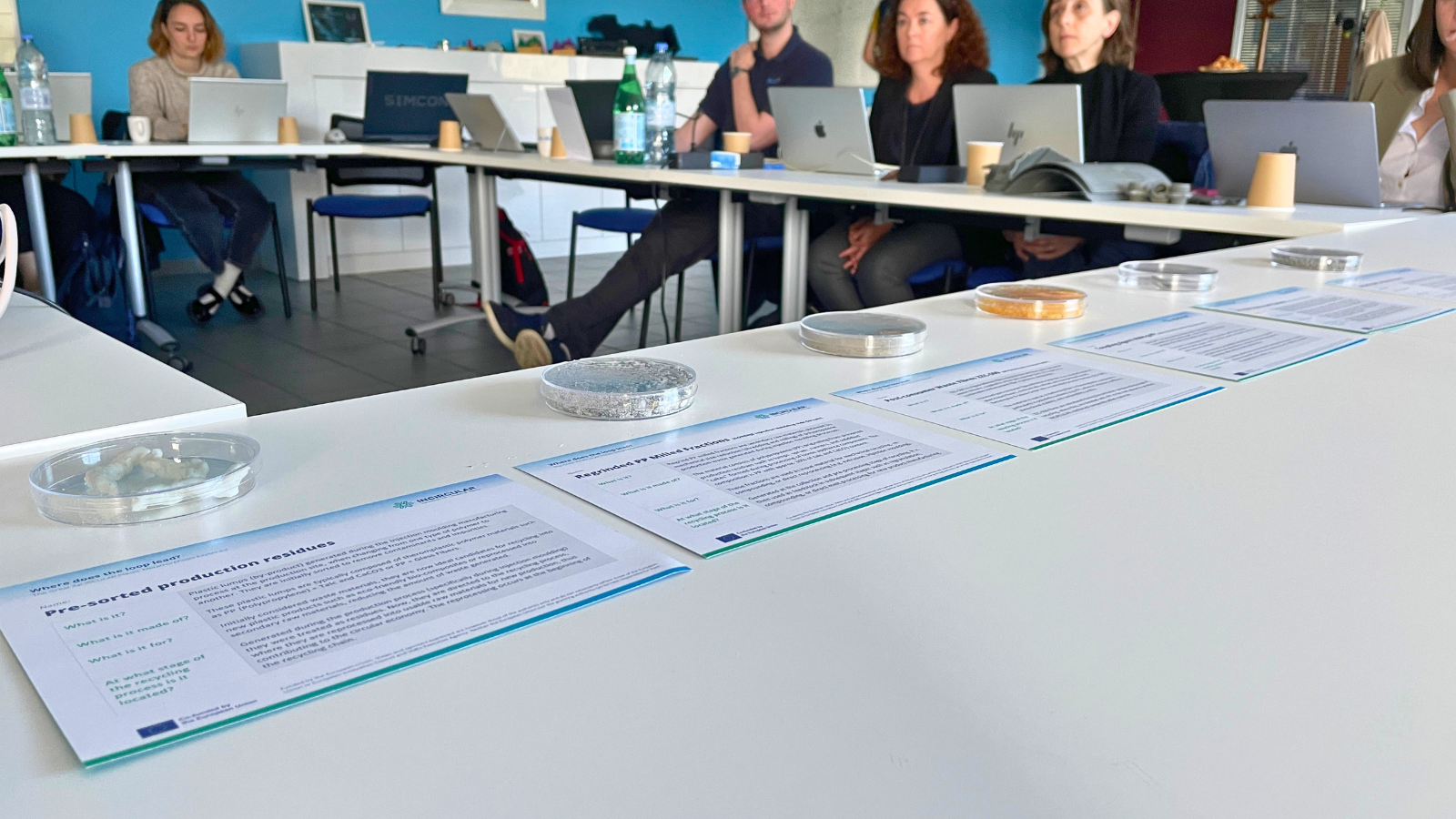
Leading regional plastics clusters from France, Spain, and Slovenia were present and shared their vision on how they can connect current technologies and innovations with key industrial players willing to adopt the solutions, demonstrating how cluster networks act as essential bridges between European regions to accelerate the adoption of circular materials. A highlight of the event was the showcase of real-world case studies from our pilot and funded projects, providing tangible evidence of circular innovation in action.
Interactive sessions and policy context
The event was structured around three core pillars designed to align technological innovation with the broader European policy framework. By connecting high-level strategy with grounded industrial practice, the session provided a holistic view of the circular transition.
European industry vision and policy context: The status of circular plastics in 2026
The morning session opened with a high-level overview of the European policy landscape. Caterina Verde from EISMEA presented how EU funding, and specifically the I3 instrument, can support the investment efforts needed to scale such technologies. Building on this funding perspective, Olivia Chassais from DG Environment provided an overview of the EU-level plastics policy landscape. The discussion focused in particular on the EU Plastics Strategy and the Circular Economy Action Plan, addressing how these frameworks have evolved to meet the 2026 targets.
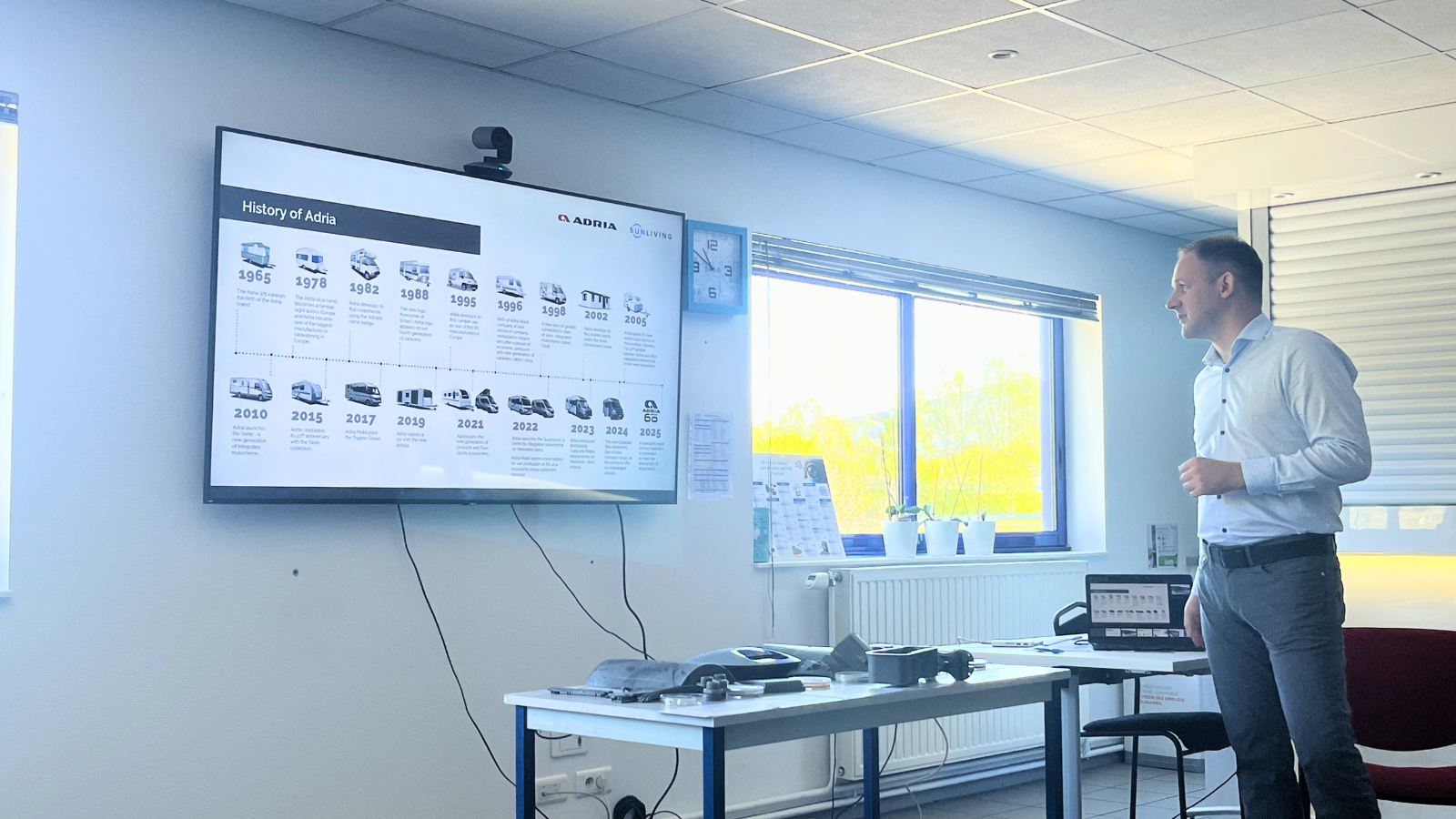
The regional perspective was very present at the event. Replication is the cornerstone of the INCIRCULAR project. This session moved beyond theory to show how successful pilots in one region can be “copied and pasted” to others. Participants explored practical replication, including the industrial uptake of INCIRCULAR results in Andalusia (presented by EcoCastulum) providing a roadmap for other regions. Using the ADRIA Mobil use case, speakers demonstrated how circular plastic innovations are not limited to one niche but can be replicated across diverse sectors, from automotive parts to home appliances.
Innovation showcase: Key highlights from industrial reality
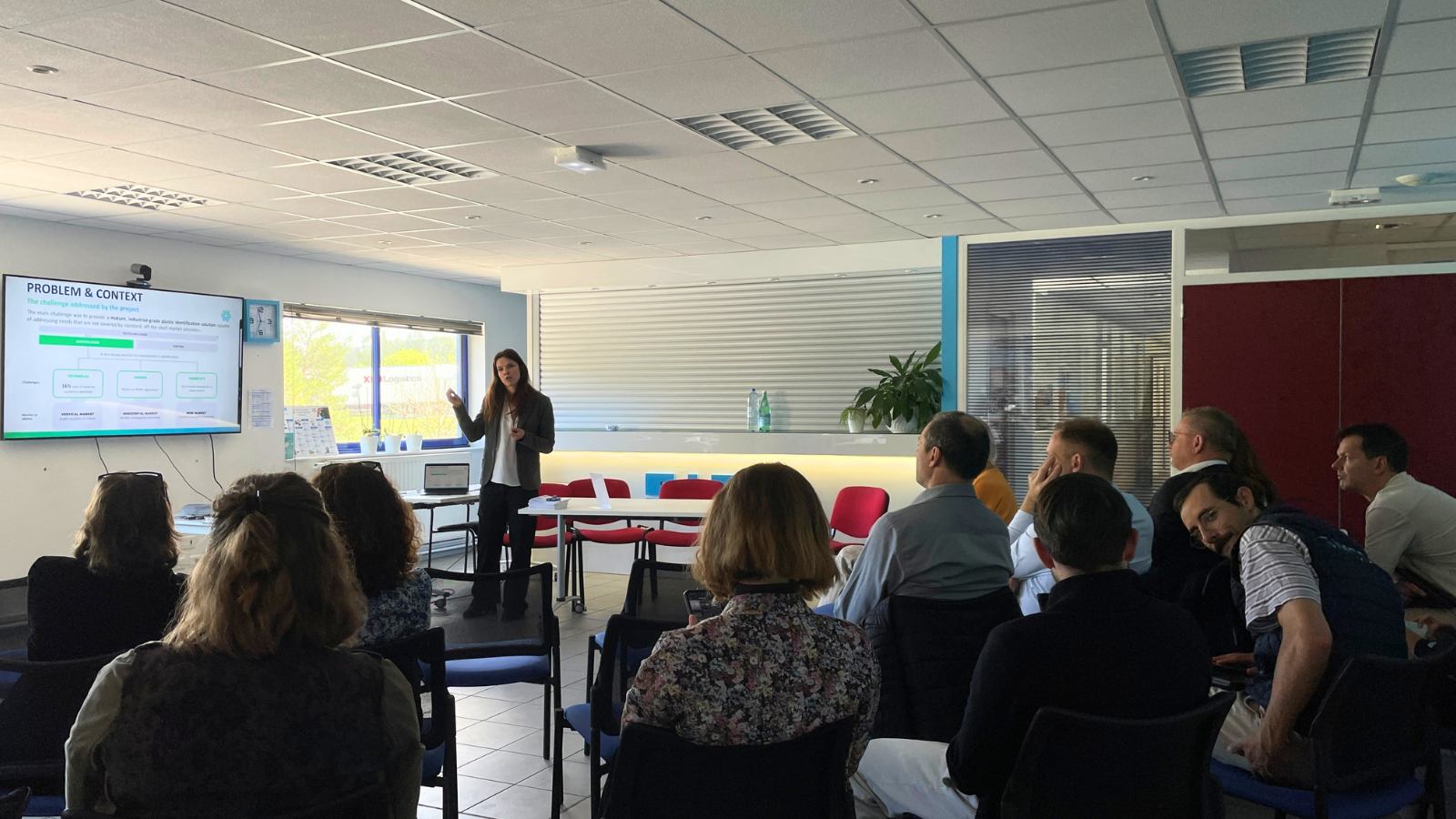
Part of the event was dedicated to showcasing the six innovative projects selected through INCIRCULAR’s cascade funding call. During short, practical presentations, the companies demonstrated how their solutions address specific industrial challenges at various stages of the circular plastics value chain, including sorting, material recognition, process optimisation, tooling, and smart moulding operations.
- MOIK: Metalization of industrial knives, by Ekstera & Additio
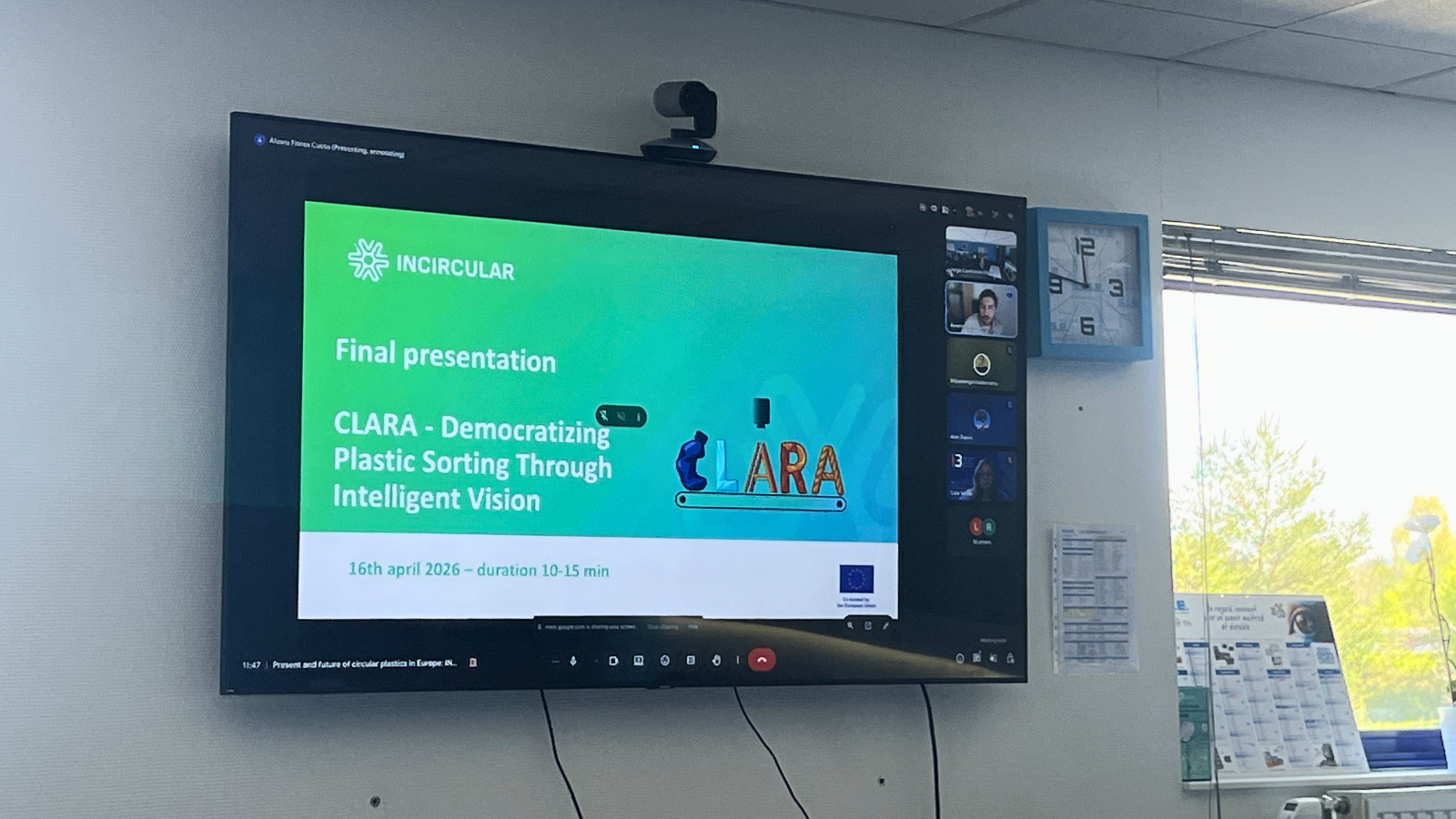
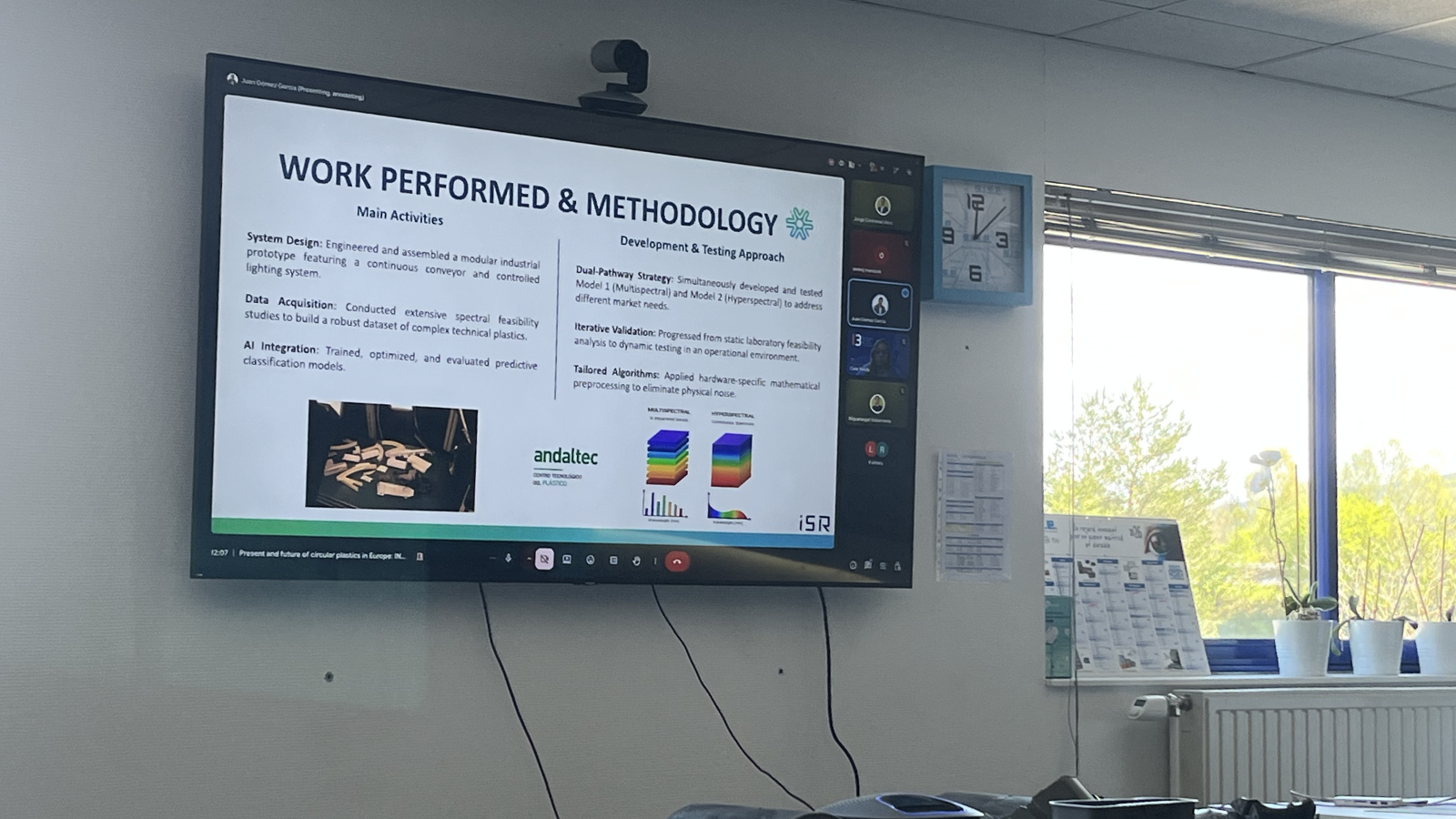
- CLARA: CLassification & Advanced Recognition Automation, by ROVIMATICA S.L.
- PITS: Sorting of plastic, by Plas’tri
- PLASTNIR: Automatic detection system for industrial thermoplastic processes based on NIR and multispectral technology, by Integración Sensorial y Robótica SL
- WR-KNIVES: Development of knives with significantly improved wear resistance for extended service life, by TRO – cutting tools
- SMART-MOLD: System for Machine Anomaly Recognition and Telemetry in Moulding Operations for Lean Development, by Logix
The presentations are now available to watch, offering a closer look at each solution and its application within the INCIRCULAR ecosystem:
Interactive roundtable: The role of cluster networks, OEMs and industry in scaling circular plastics
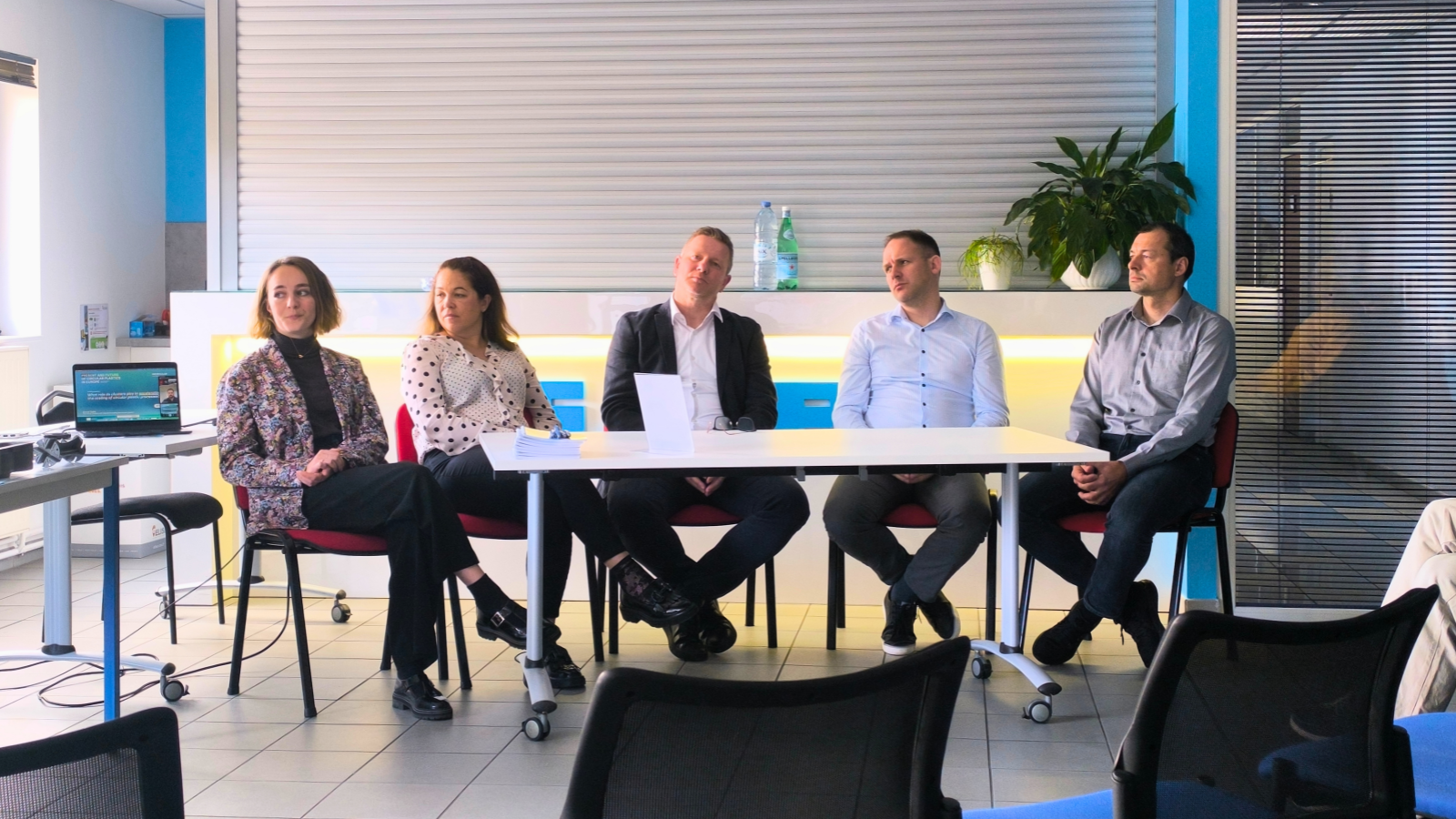
The session culminated in an interactive roundtable bringing together plastics clusters, including Polymeris (FR), the Andalusian Plastic Cluster (ES), TECOS (SI), and industrial players involved in the value chain like Omaplast, Adria mobil and Gorenje.
The moderated discussion addressed key questions around the scale-up of circular plastics in Europe: the role of clusters in accelerating circular processes, the main barriers to transferring successful lab pilots into daily industrial manufacturing, and the practical actions needed to strengthen cross-regional integration.
The discussion offered valuable perspectives on how regional ecosystems can work together more effectively to turn circular plastics innovation into industrial reality. The full roundtable recording is available to watch below.
Industrial Visit: Seeing innovation in action
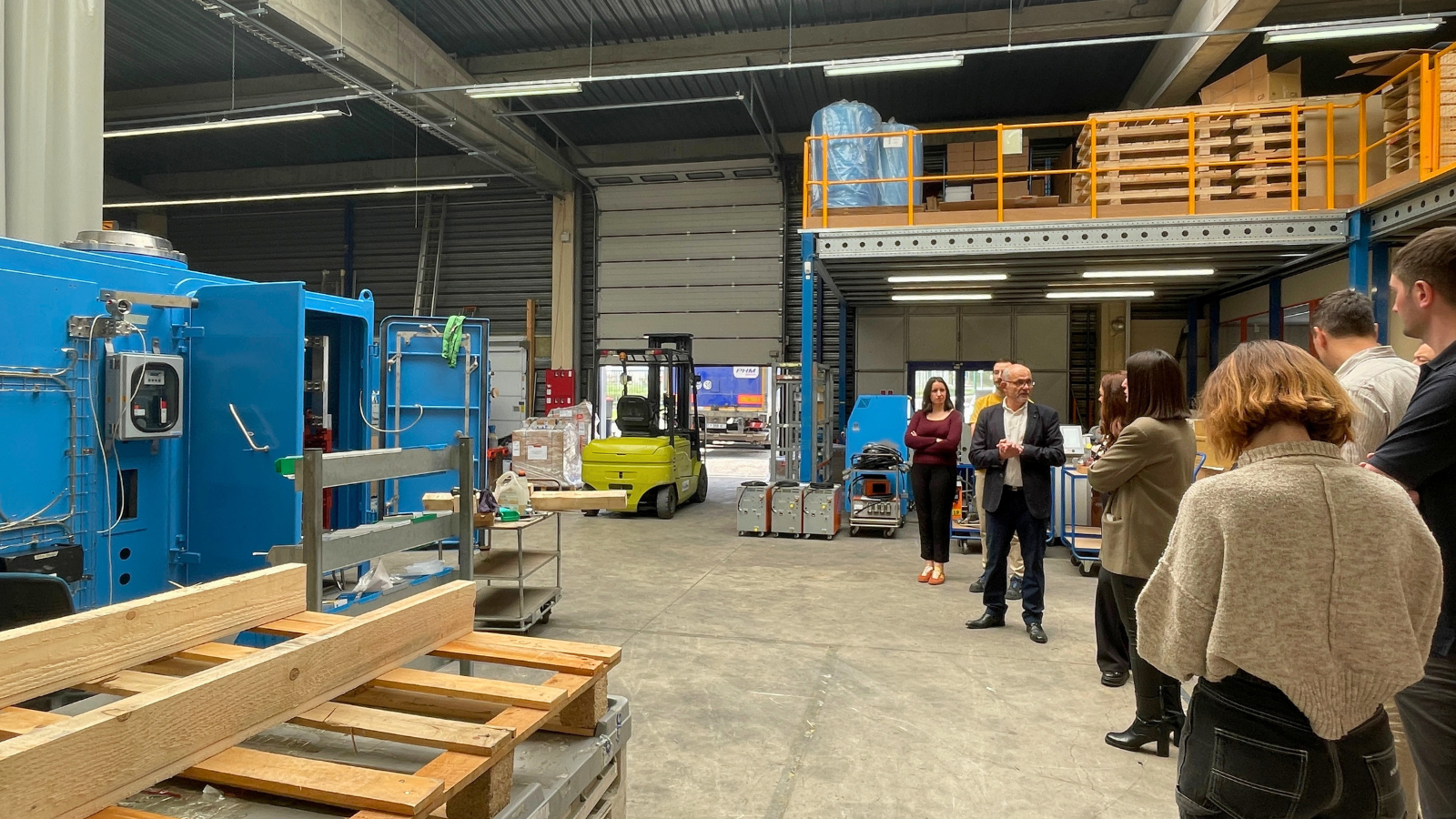
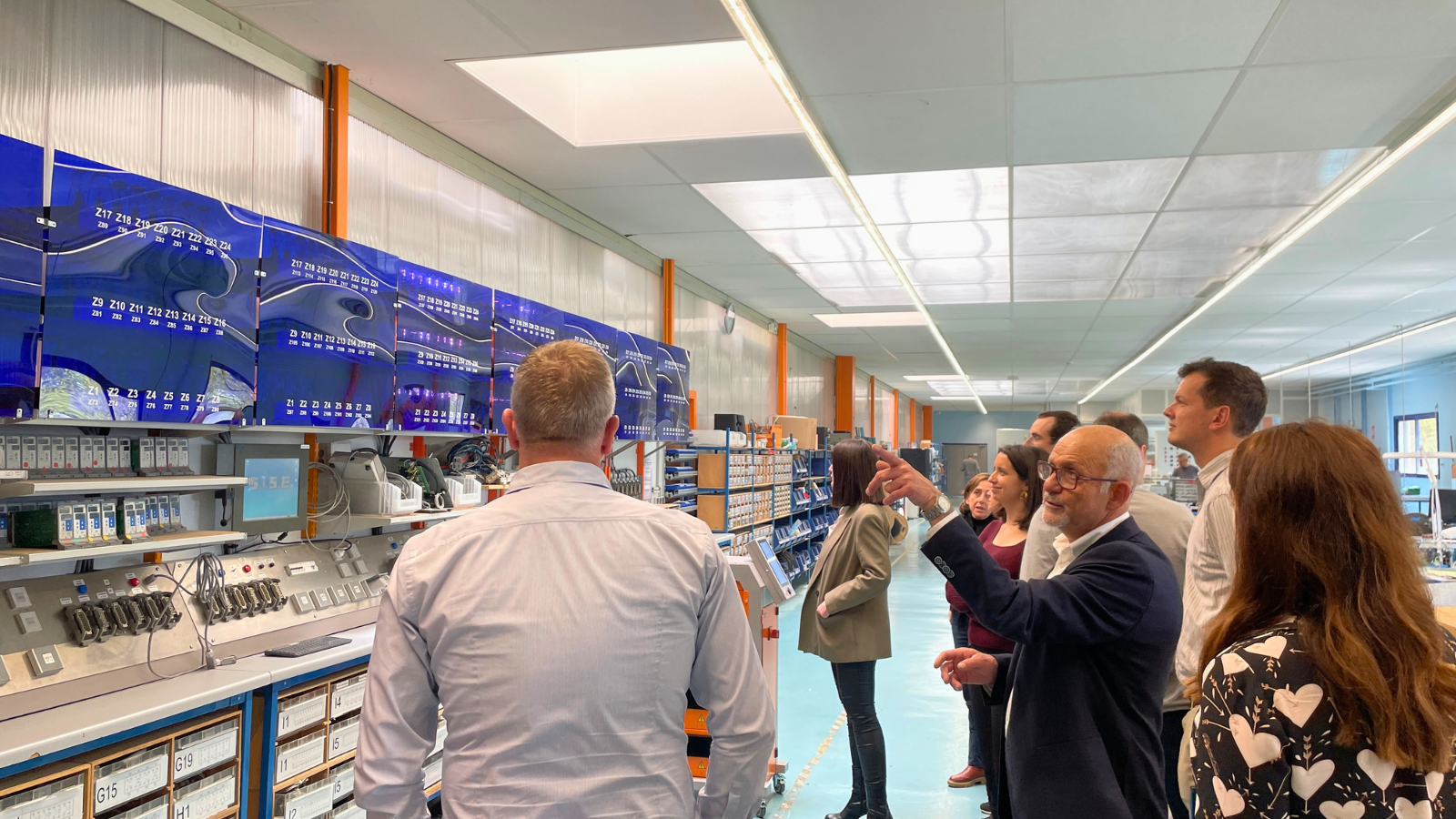
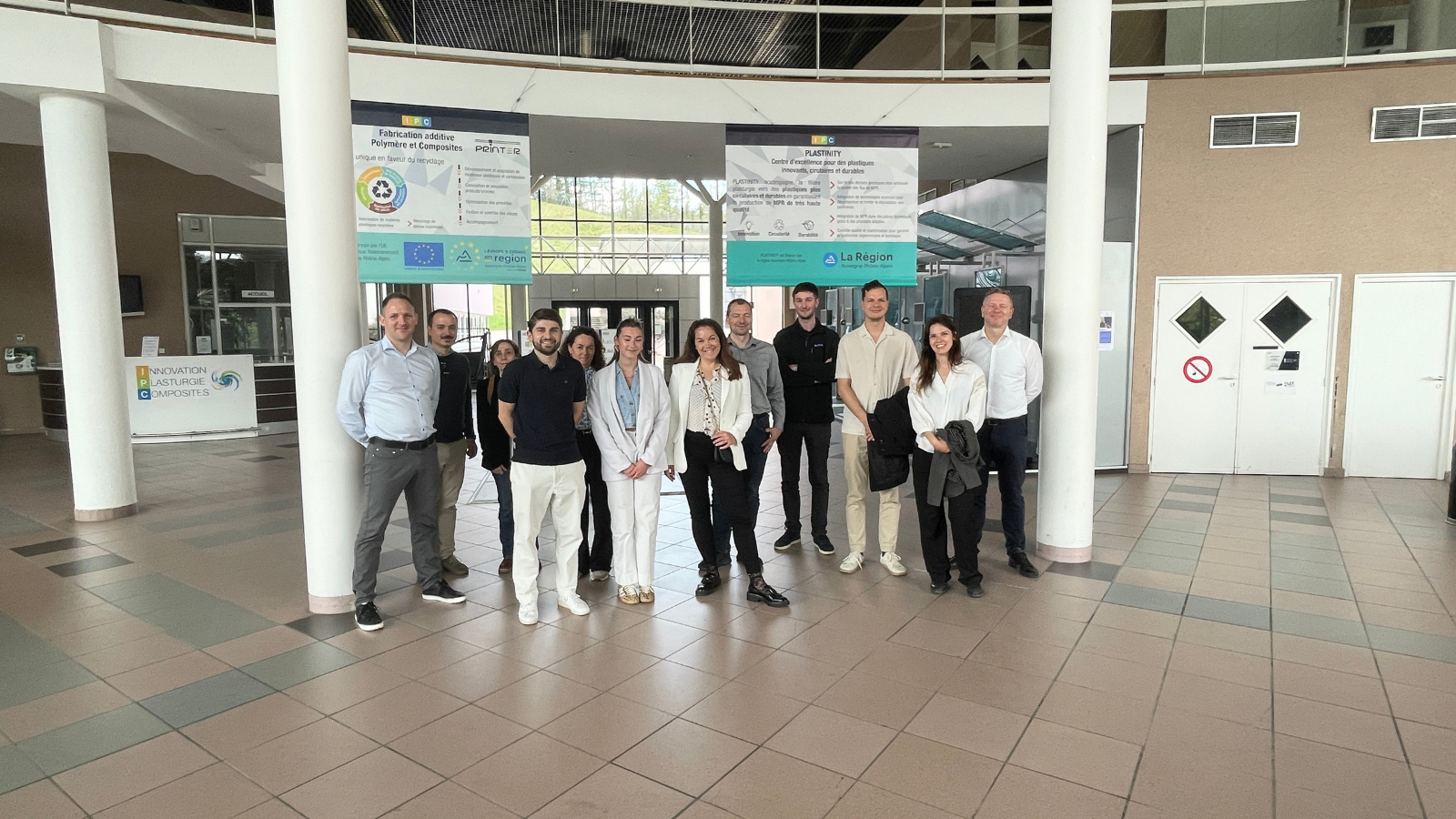
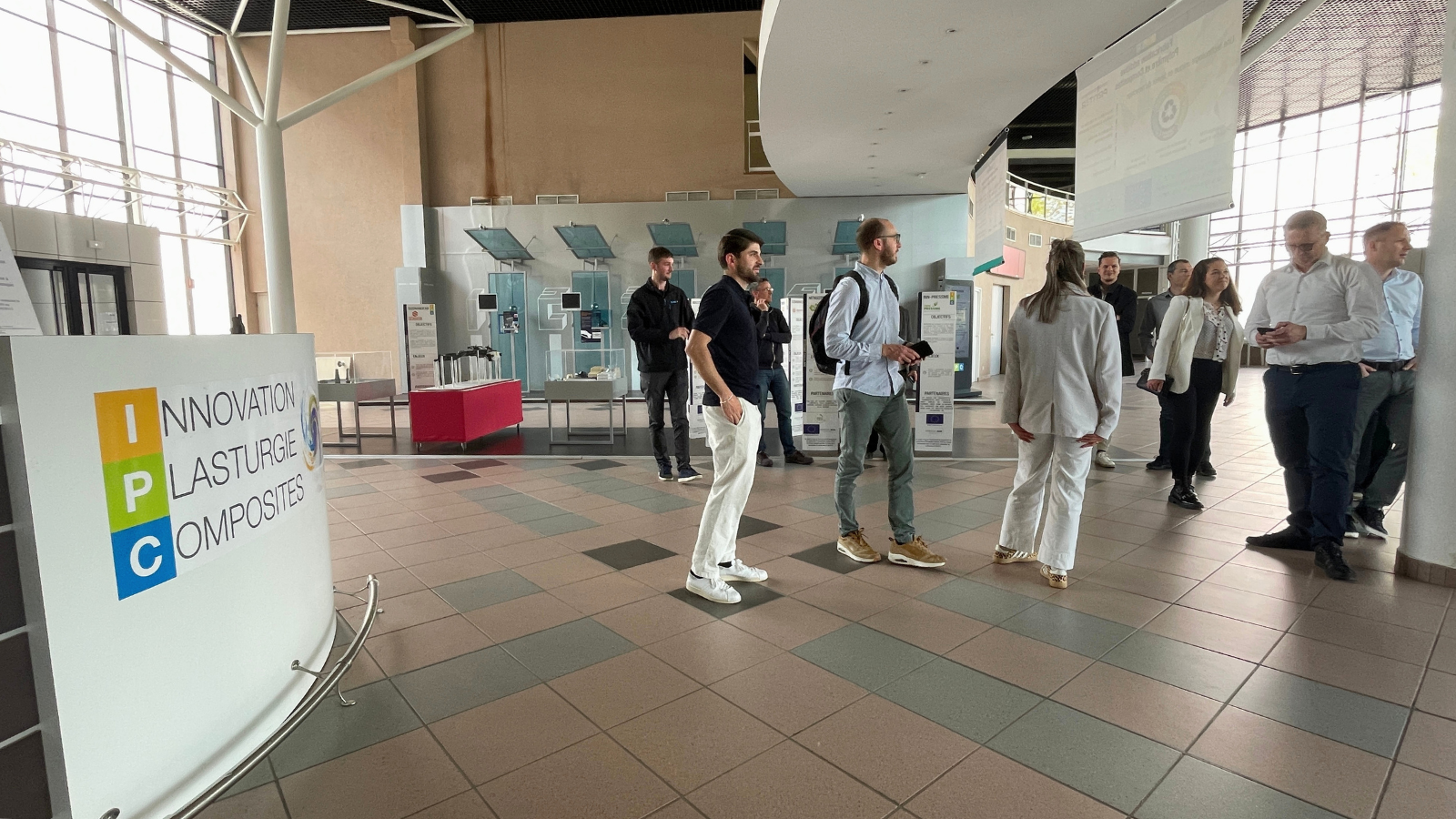
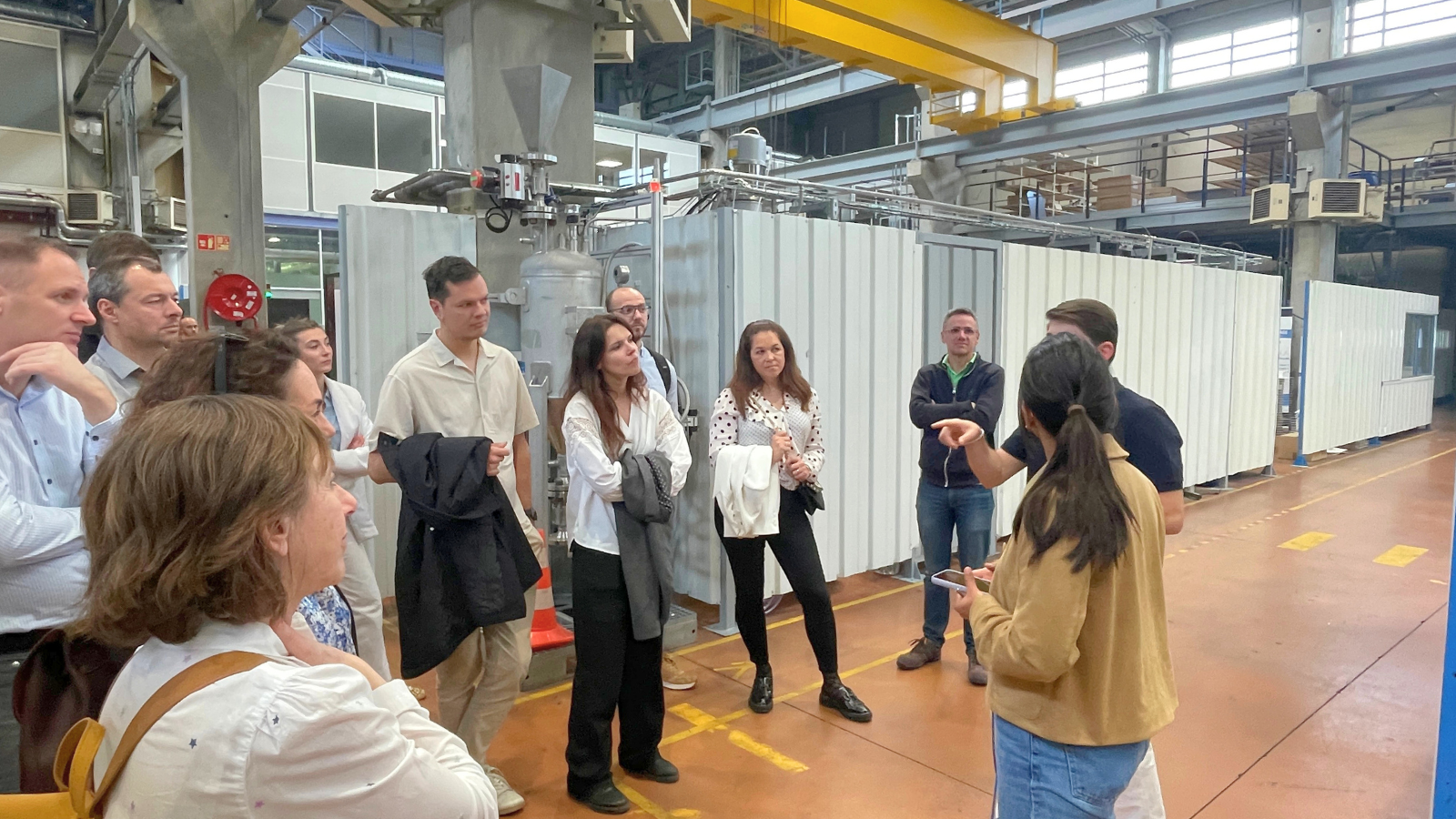
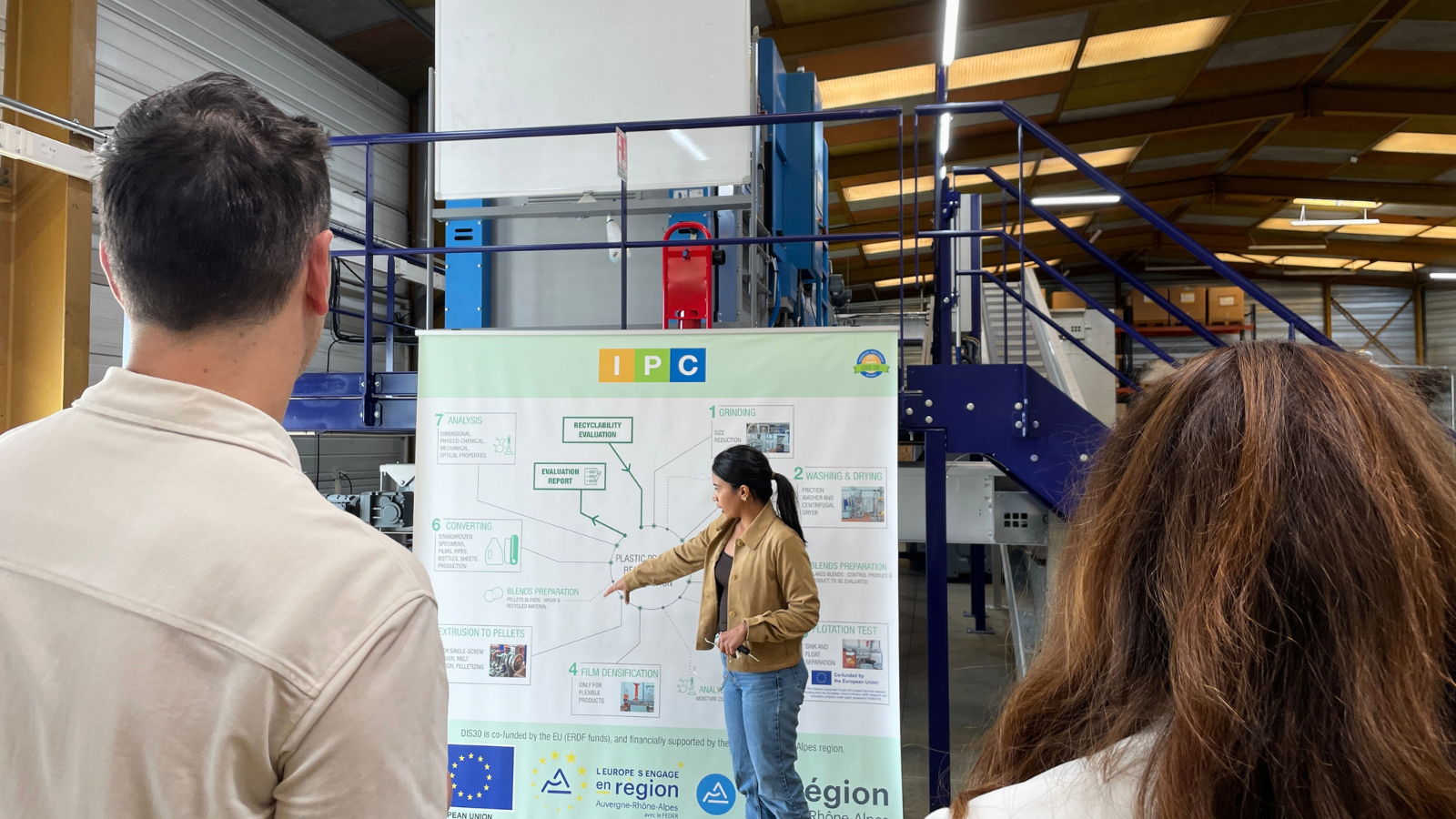
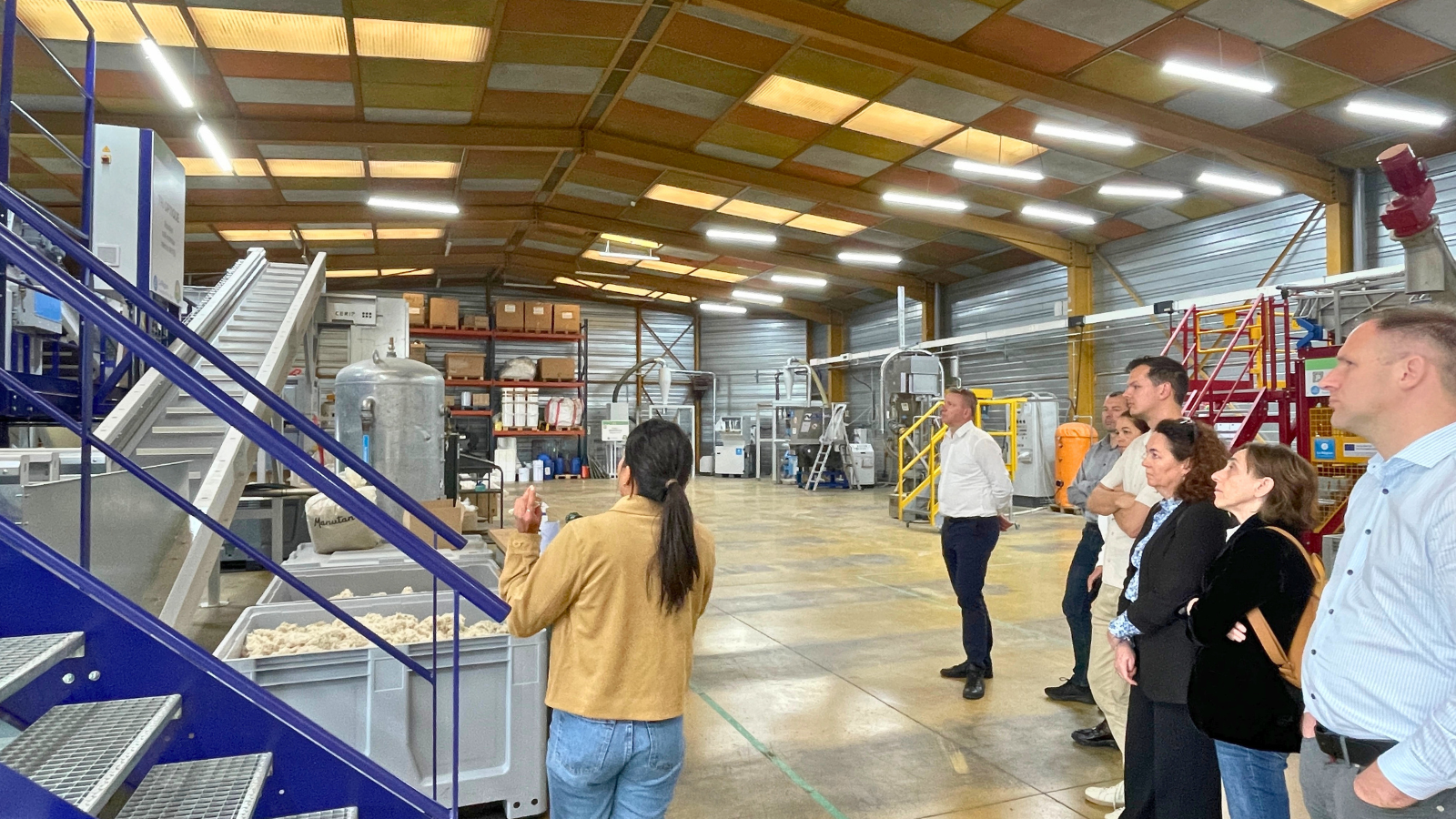
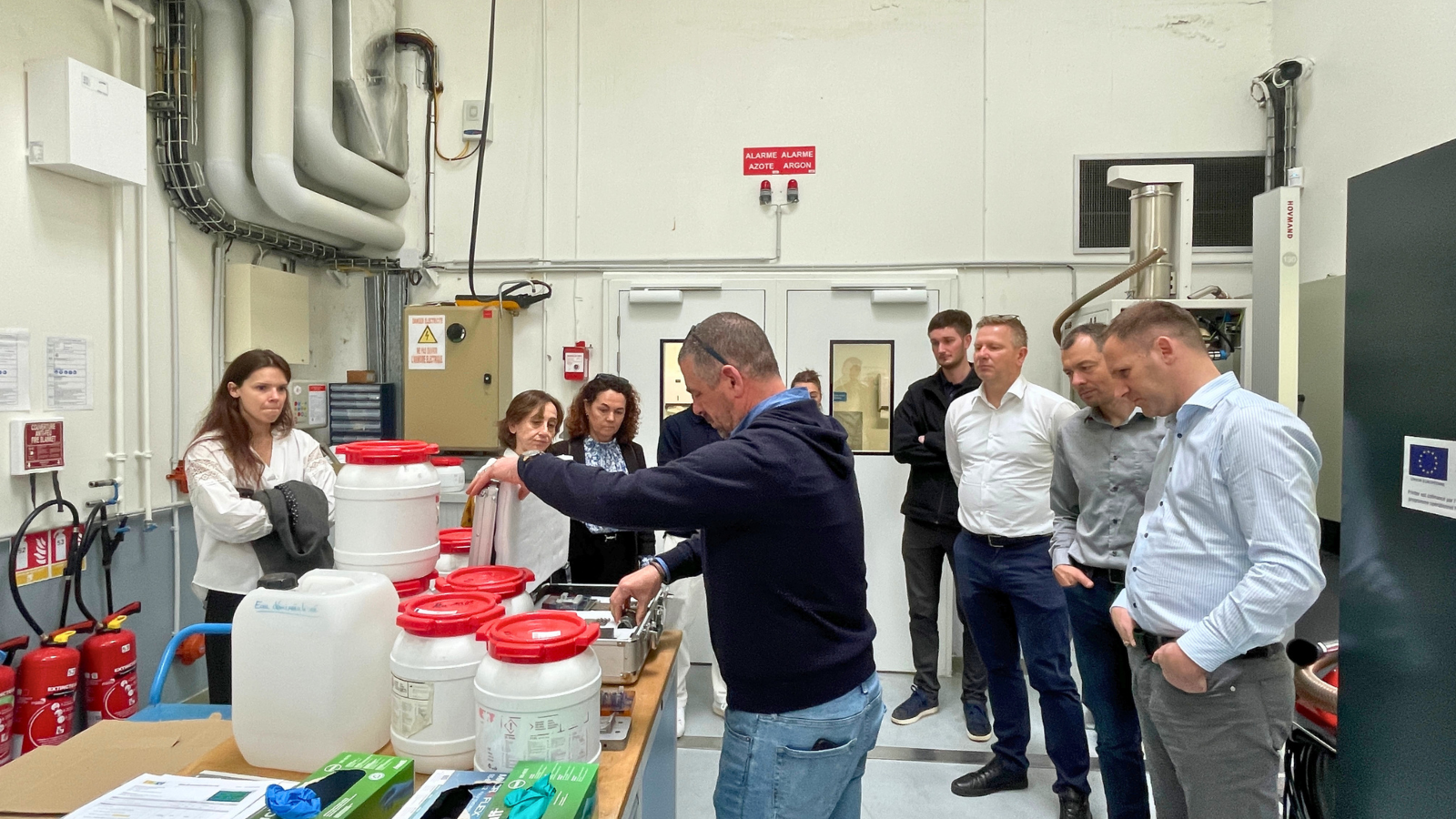
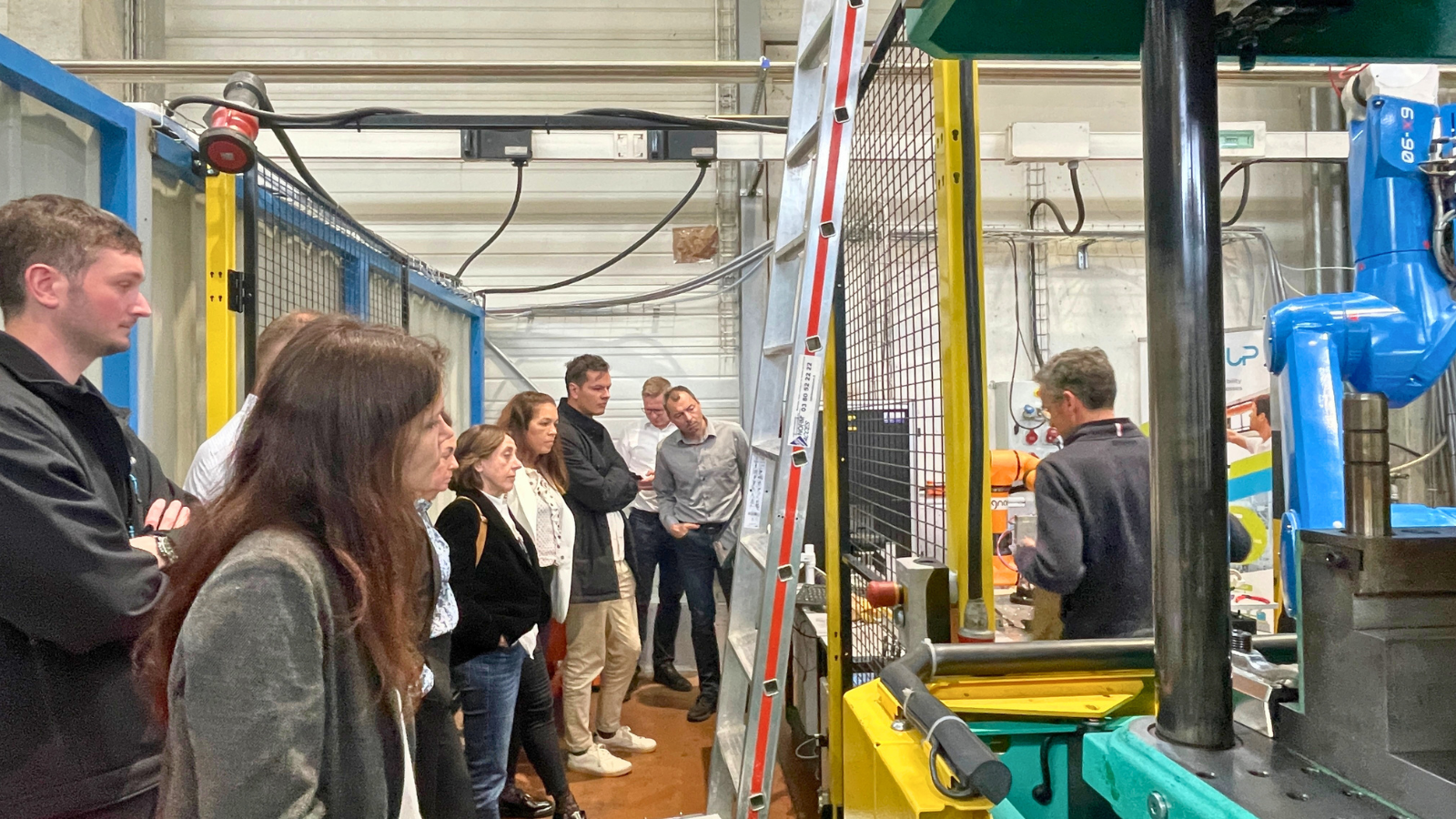
The day concluded with a technical visit to the Industrial Technical Center for Plastics and Composites (IPC). Participants toured facilities focused on plastic injection moulding, digitalization, and recycling, witnessing firsthand the advanced manufacturing processes that will define the future of the industry.
Stay tuned for more updates by following the project on LinkedIn and join us in shaping a more sustainable, circular future for plastics in Europe!