
Description: TRO developed and validated powder metallurgy cutting knives (PM steel) for granulator that last 2–3× longer than conventional tool steel alternatives, reducing downtime and total tooling cost for recycling operators at the granulation and size-reduction stage of the plastics recycling value chain.

Markets/materials: Mechanical recyclers, waste processors, compounders and shredder/granulator OEMs.
Replication: Adapt knife geometry to the machine, throughput and contamination profile; validate lifetime and energy use under site conditions.
Business case: A retrofit-compatible solution with fewer knife changes, less downtime.
Description: MOIK addressed rapid wear and corrosion of industrial shredding knives in plastics recycling by applying circular metallization using recycled Inconel powder to extend tool lifetime and improve process stability
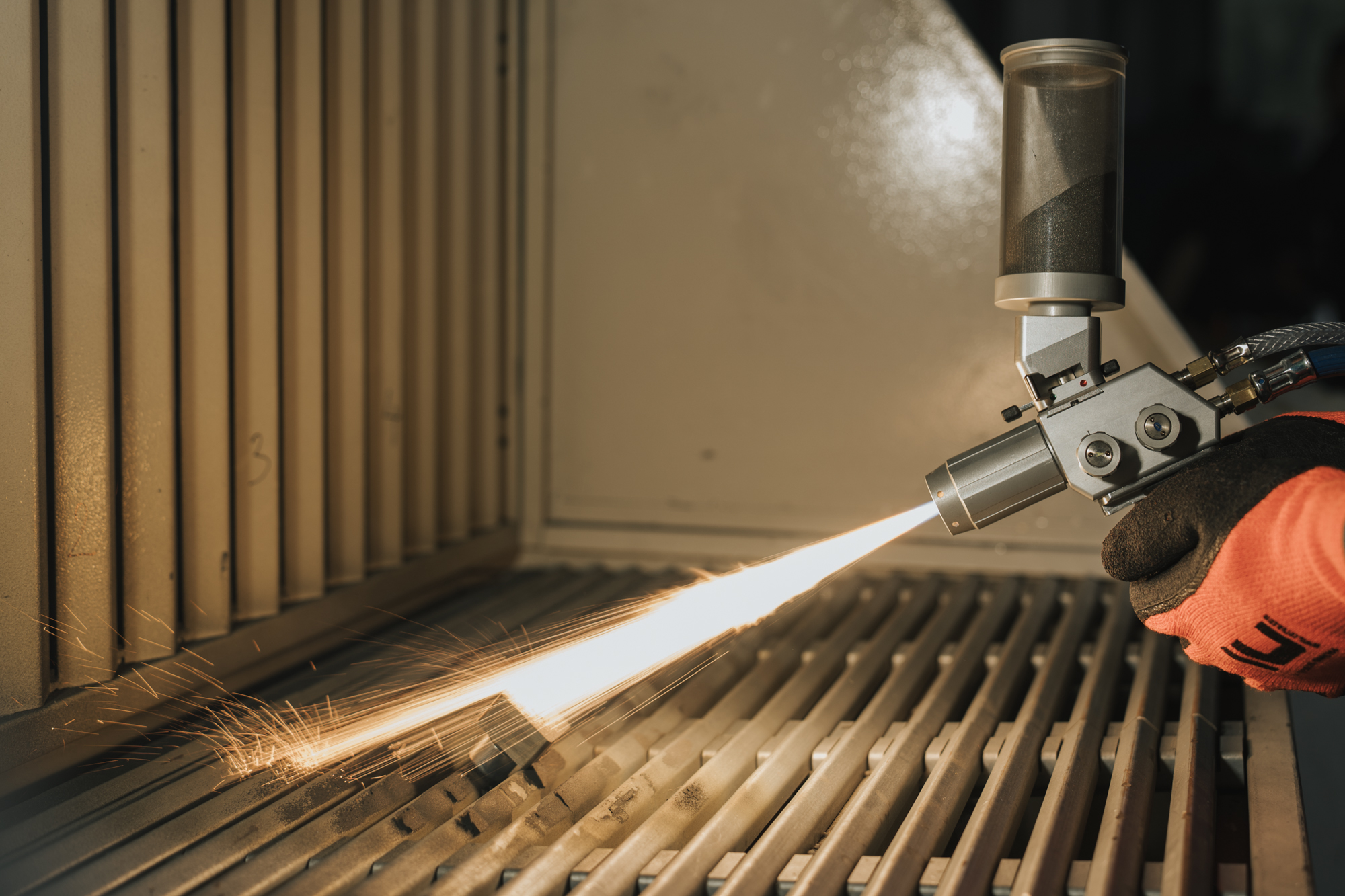
Markets/materials: Plastic recyclers, knife manufacturers, maintenance providers and recycling-equipment OEMs.
Replication: Validate coating compatibility, wear and corrosion resistance.
Business case: Refurbishment extends tool life, reduces maintenance and thus reduces costs and increases sustainability. Supports a “made in EU” service-based circular business model.
Description: CLARA addressed this gap by developing an accessible intelligent vision system, combining advanced AI monitoring, vision transformers, and depth sensing to enable robust plastic classification through a user-friendly interface, with a strong focus on affordability, simplicity, and adaptability.
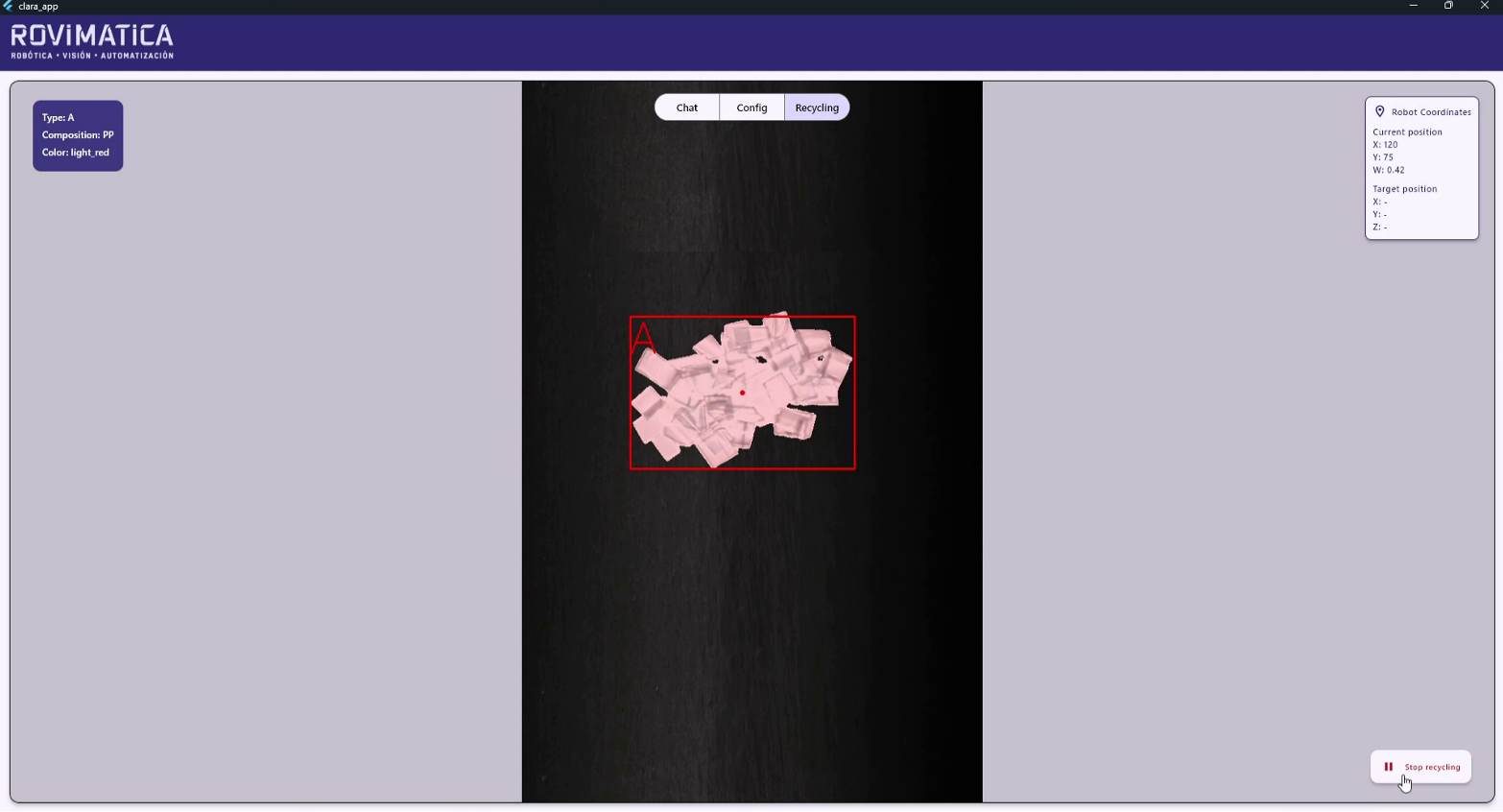
Markets/materials: Recyclers, sorting centres and manufacturers handling recurrent plastic side-streams that can be differentiated by visual and geometrical features.
Replication: Train the system on representative site data and integrate suitable conveyor and ejection equipment.
Business case: Affordable, modular automation can replace or assist manual sorting, improve consistency
Description: The project proposes an automated system based on NIR (Near-Infrared) technology, multispectral imaging, and machine learning algorithms to identify and classify plastics with high precision.

Markets/materials: Recyclers, compounders and manufacturers in automotive, electrical/electronic, appliance and technical-plastics value chains.
Replication: Build a site-specific library (colour, surface, contamination etc.).
Business case: Higher feedstock purity and traceability improve recycled-material quality and access to demanding applications.
Description: SMART-MOLD bridges the "data-operational gap" in injection molding by synchronizing real-time machine telemetry with manual work orders through an open analytical platform, enabling the zero-defect manufacturing essential for the circular plastics value chain.
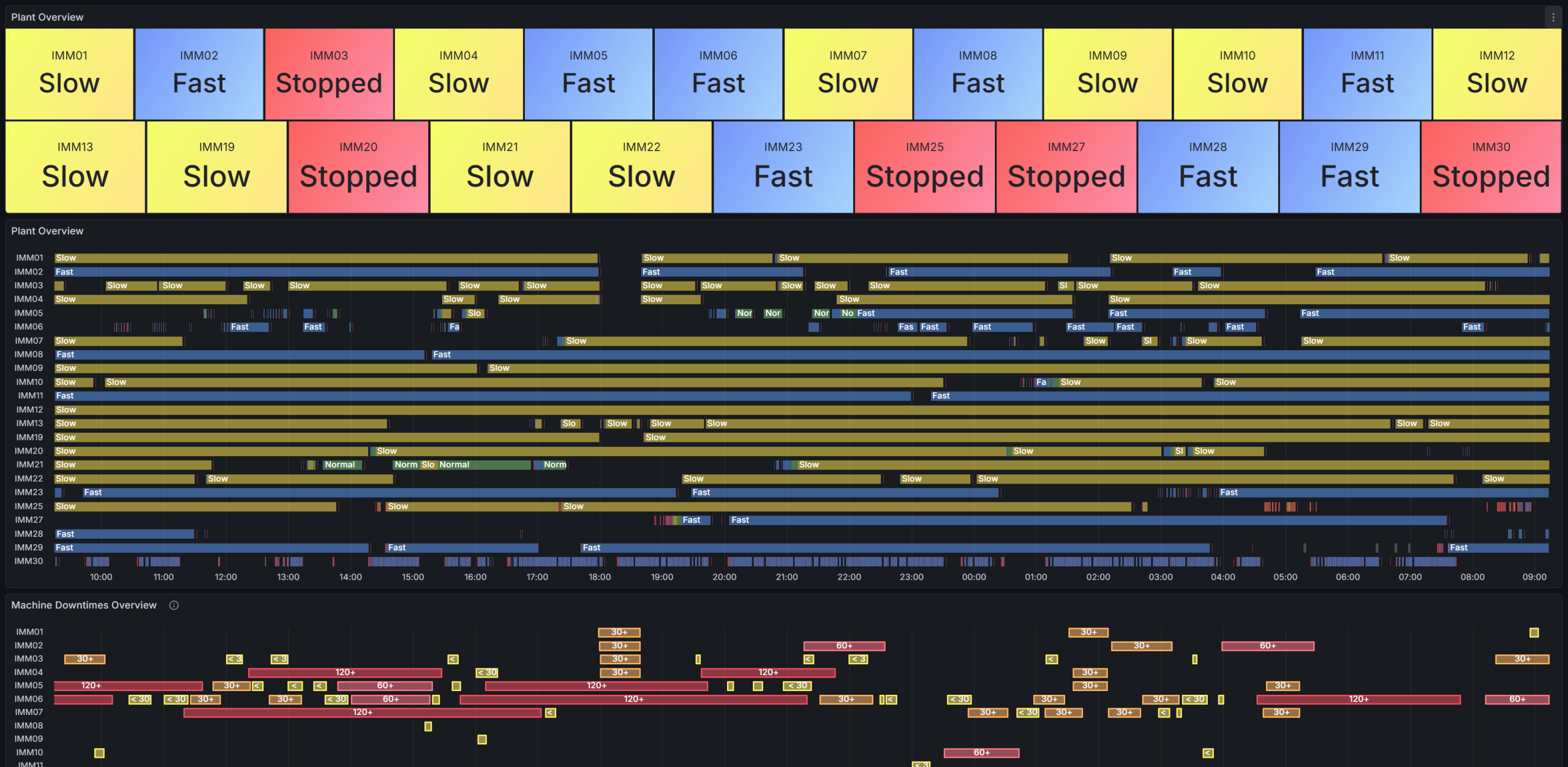
Markets/materials: Injection-moulding SMEs and larger manufacturers in automotive, appliances, packaging, consumer goods and technical parts; especially valuable for variable recycled feedstocks
Replication: Connect heterogeneous machines and sensors, and harmonise data
Business case: Anomaly detection and process optimisation reduce downtime, increase predictive
Description: The PITS project improves plastic identification in recycling plants by delivering a hyperspectral camera with application‑specific AI to enhance material separation and recycling quality. This solution allows a 99% identification accuracy on targeted plastics even in mixed and contaminated waste streams.

Markets/materials: Plastic and textile recyclers, sorting centres and industrial sites. Particularly interesting for mixed, multilayer, textile and rubber-related streams.
Replication: Adapt knife geometry to the machine, throughput and contamination profile; validate lifetime and energy use under site conditions.
Business case: A retrofit-compatible solution with fewer