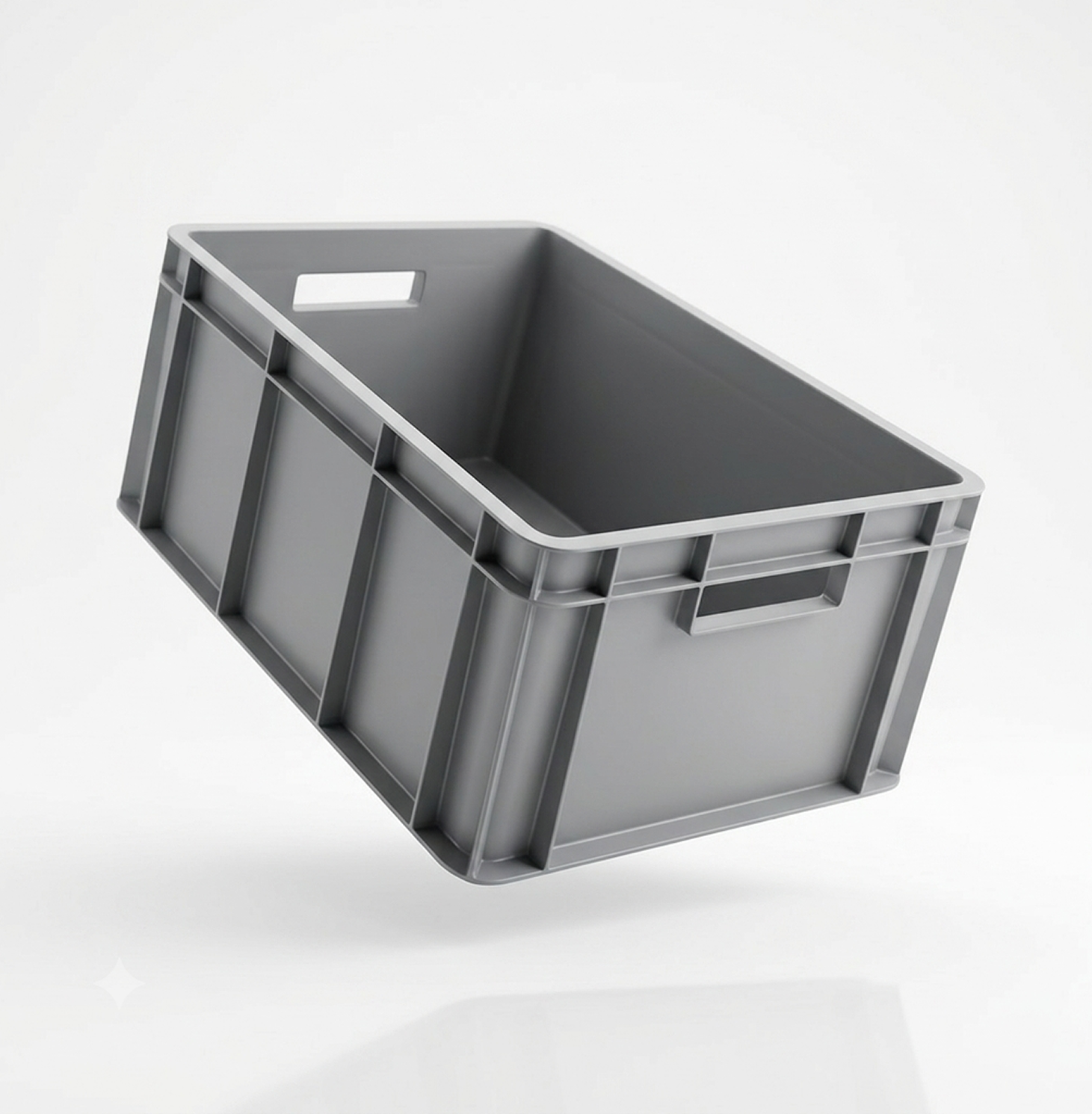
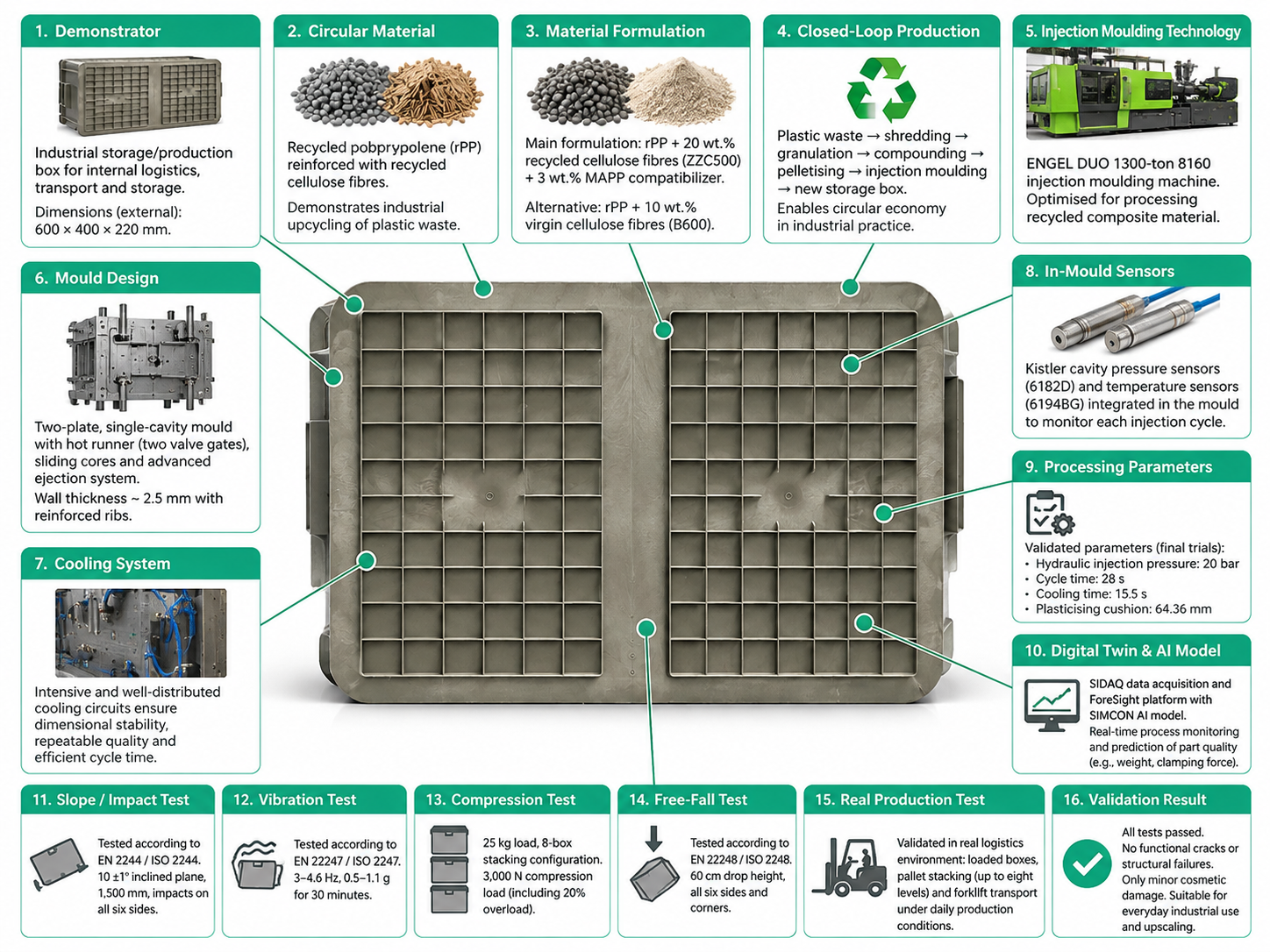
Designed and manufactured to withstand high mechanical stress and demanding operational environments. The unit has undergone comprehensive mechanical stress, impact, and structural resistance testing protocols to guarantee performance and durability.

Dr. Vesna Žepič Bogataj obtained her Ph.D. in Biosciences from the University of Ljubljana, specialising in renewable resource management and materials science. She serves as the Head of the Laboratory for Applicative Materials at TECOS, where she manages multiple high-impact national and international circular economy R&D projects. Her scientific expertise covers the chemical functionalisation of lignocellulosic materials, fibre/polymer interfaces, and the processing optimisation of natural fibre-reinforced biocomposites. Dr. Žepič Bogataj has authored over 150 scientific papers and acts as a leading technical mentor validating second-life material formulations.
Simon Kotnik, MSc, obtained his degrees in mechanical engineering from the University of Maribor and has been employed at Gorenje since 2003. Since 2009, he has steered major research initiatives at the Gorenje Innovation Centre, leading the coordination of extensive national and international circular manufacturing projects. Drawing from two decades of industrial expertise across European programs (such as Horizon Europe, Horizon 2020, and FP7), Simon heads Gorenje's operational replication and technology integration, ensuring that advanced circular compounds and digital twins run seamlessly under high-volume industrial conditions.
Jorge Contreras Ubric, MSc, is an experienced EU Project Manager at the University of Jaén and On Projects Advising (COO and director of R&D), specialising in Interregional Innovation Investments (I3) and EU public funding. Combining technical expertise with a background in Architecture and a Master’s in heritage research, Jorge has completed postgraduate studies in international R&D projects and business management. He serves as an Associate Professor in the Master of Materials Engineering and Sustainable Construction at UJA. Jorge excels in multidisciplinary team leadership and managing international investment activities across European innovation networks. As an external expert evaluator of the European Institute of Technology (EIT) and an appointed expert for the Andalusian S3 strategy, Jorge assesses a diverse range of technological innovation projects.
Conny Weber is a prominent innovation expert dedicated to accelerating investments in breakthrough industrial technologies. With extensive experience in financing the development and deployment of technical innovations, she specialises in deep tech, including artificial intelligence (AI) and distributed ledger technology (DLT). Her work focuses on driving the green and digital twin transition of European industrial ecosystems. As a member of the European Innovation Council (EIC) Jury, Conny advises a diverse range of large corporations, SMEs, and public authorities on robust investment strategy and global commercialisation tracks.
After graduating with a degree in chemical engineering from ENSIACET, Amélie Gousseau built extensive expertise in managing R&D projects within consulting firms specialising in innovation financing. In 2022, she joined Polymeris—the leading French competitiveness cluster for plastics, rubbers, and composites—as the Innovation Project Manager for the Auvergne-Rhône-Alpes region. She coordinates an extensive network of industrial members, supporting polymer-related innovation projects at the regional, national, and European levels, with a strong focus on cross-border technology transfer under the INCIRCULAR initiative.
Description: The PITS project improves plastic identification in recycling plants by delivering a hyperspectral camera with application‑specific AI to enhance material separation and recycling quality. This solution allows a 99% identification accuracy on targeted plastics even in mixed and contaminated waste streams.

Markets/materials: Plastic and textile recyclers, sorting centres and industrial sites. Particularly interesting for mixed, multilayer, textile and rubber-related streams.
Replication: Adapt knife geometry to the machine, throughput and contamination profile; validate lifetime and energy use under site conditions.
Business case: A retrofit-compatible solution with fewer
Description: SMART-MOLD bridges the "data-operational gap" in injection molding by synchronizing real-time machine telemetry with manual work orders through an open analytical platform, enabling the zero-defect manufacturing essential for the circular plastics value chain.
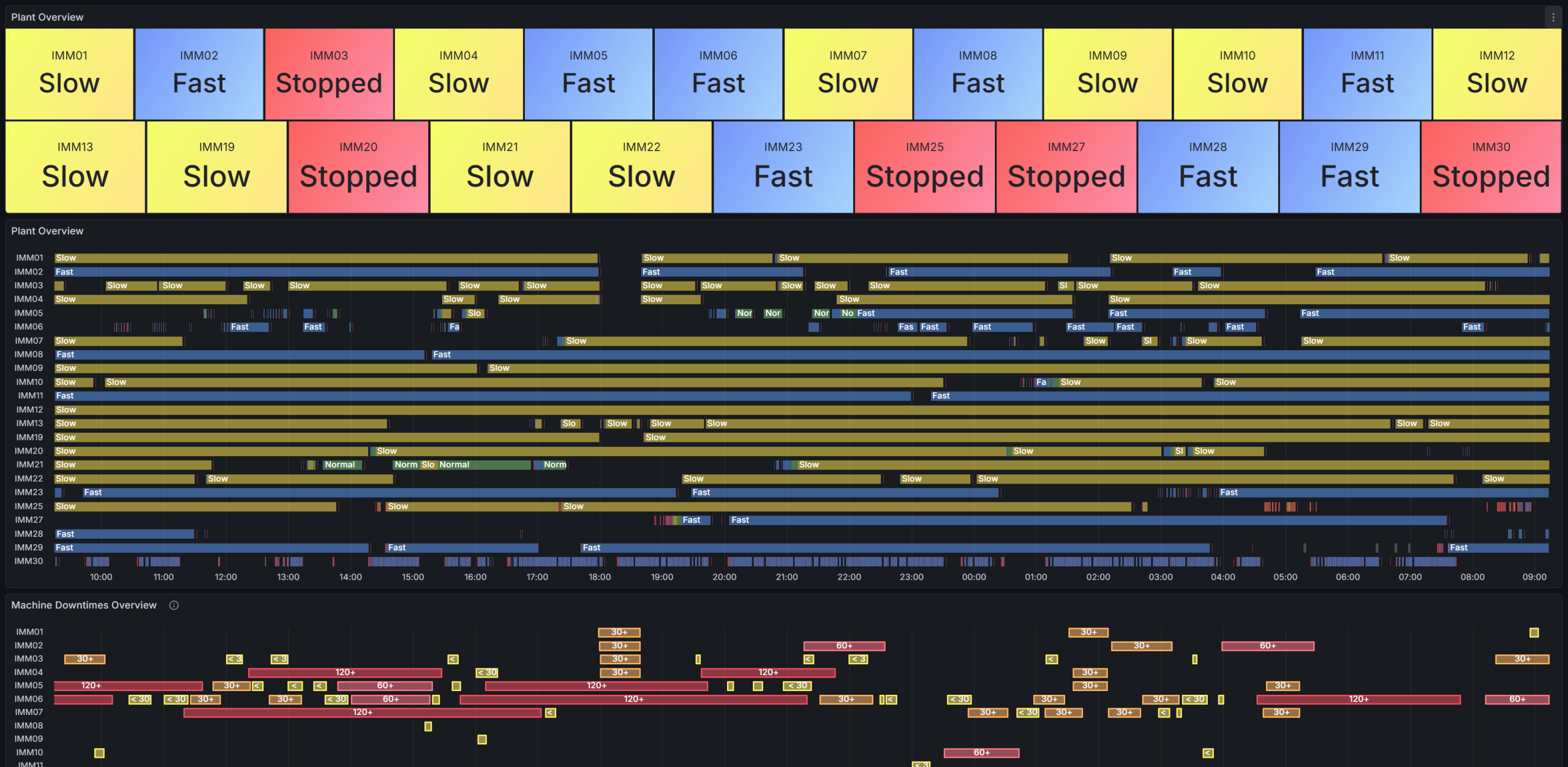
Markets/materials: Injection-moulding SMEs and larger manufacturers in automotive, appliances, packaging, consumer goods and technical parts; especially valuable for variable recycled feedstocks
Replication: Connect heterogeneous machines and sensors, and harmonise data
Business case: Anomaly detection and process optimisation reduce downtime, increase predictive
Description: The project proposes an automated system based on NIR (Near-Infrared) technology, multispectral imaging, and machine learning algorithms to identify and classify plastics with high precision.

Markets/materials: Recyclers, compounders and manufacturers in automotive, electrical/electronic, appliance and technical-plastics value chains.
Replication: Build a site-specific library (colour, surface, contamination etc.).
Business case: Higher feedstock purity and traceability improve recycled-material quality and access to demanding applications.
Description: CLARA addressed this gap by developing an accessible intelligent vision system, combining advanced AI monitoring, vision transformers, and depth sensing to enable robust plastic classification through a user-friendly interface, with a strong focus on affordability, simplicity, and adaptability.
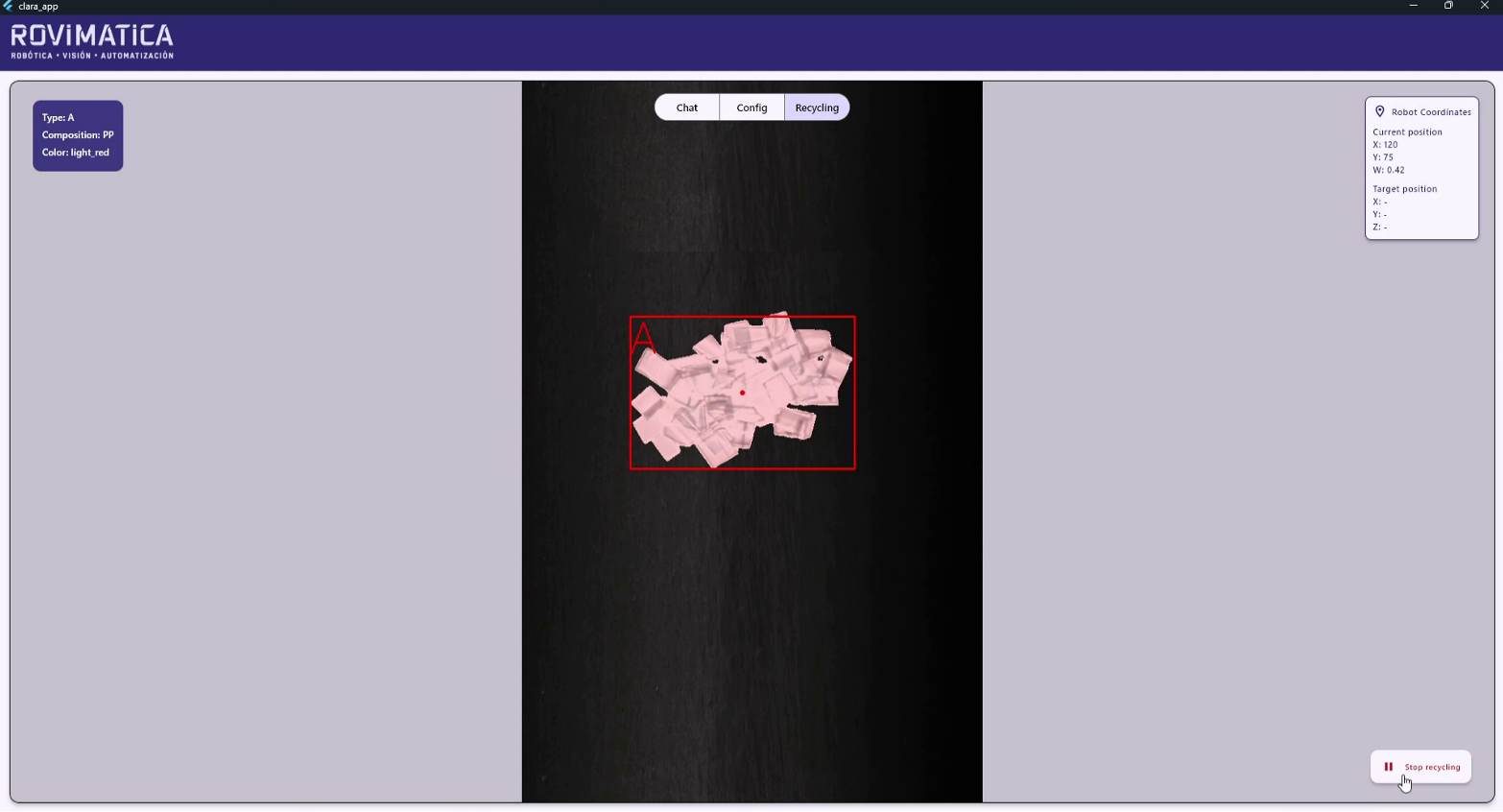
Markets/materials: Recyclers, sorting centres and manufacturers handling recurrent plastic side-streams that can be differentiated by visual and geometrical features.
Replication: Train the system on representative site data and integrate suitable conveyor and ejection equipment.
Business case: Affordable, modular automation can replace or assist manual sorting, improve consistency
Description: MOIK addressed rapid wear and corrosion of industrial shredding knives in plastics recycling by applying circular metallization using recycled Inconel powder to extend tool lifetime and improve process stability
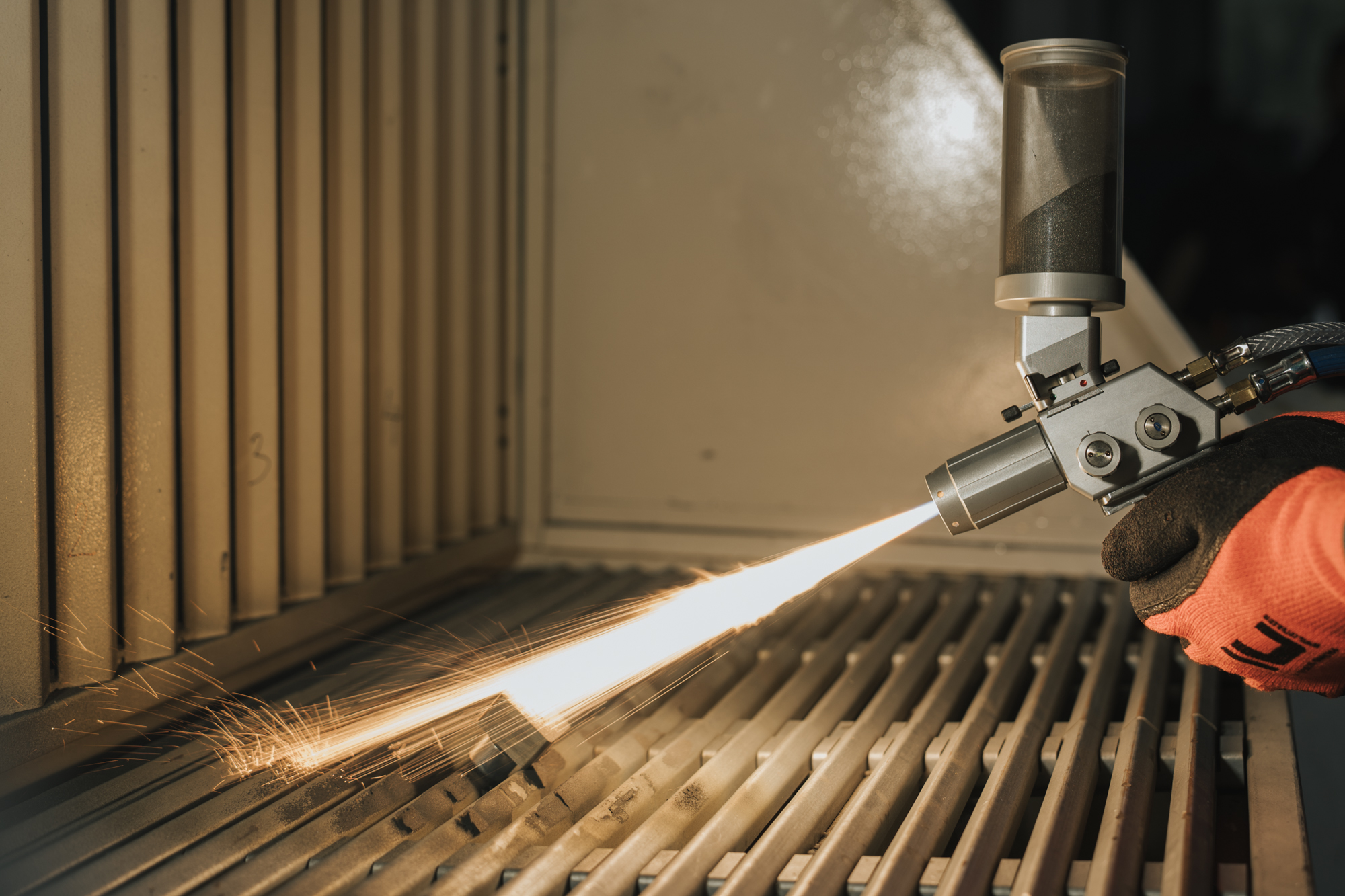
Markets/materials: Plastic recyclers, knife manufacturers, maintenance providers and recycling-equipment OEMs.
Replication: Validate coating compatibility, wear and corrosion resistance.
Business case: Refurbishment extends tool life, reduces maintenance and thus reduces costs and increases sustainability. Supports a “made in EU” service-based circular business model.
Description: TRO developed and validated powder metallurgy cutting knives (PM steel) for granulator that last 2–3× longer than conventional tool steel alternatives, reducing downtime and total tooling cost for recycling operators at the granulation and size-reduction stage of the plastics recycling value chain.

Markets/materials: Mechanical recyclers, waste processors, compounders and shredder/granulator OEMs.
Replication: Adapt knife geometry to the machine, throughput and contamination profile; validate lifetime and energy use under site conditions.
Business case: A retrofit-compatible solution with fewer knife changes, less downtime.
Modular, lightweight storage box featuring thin-wall flow optimization and high stiffness.

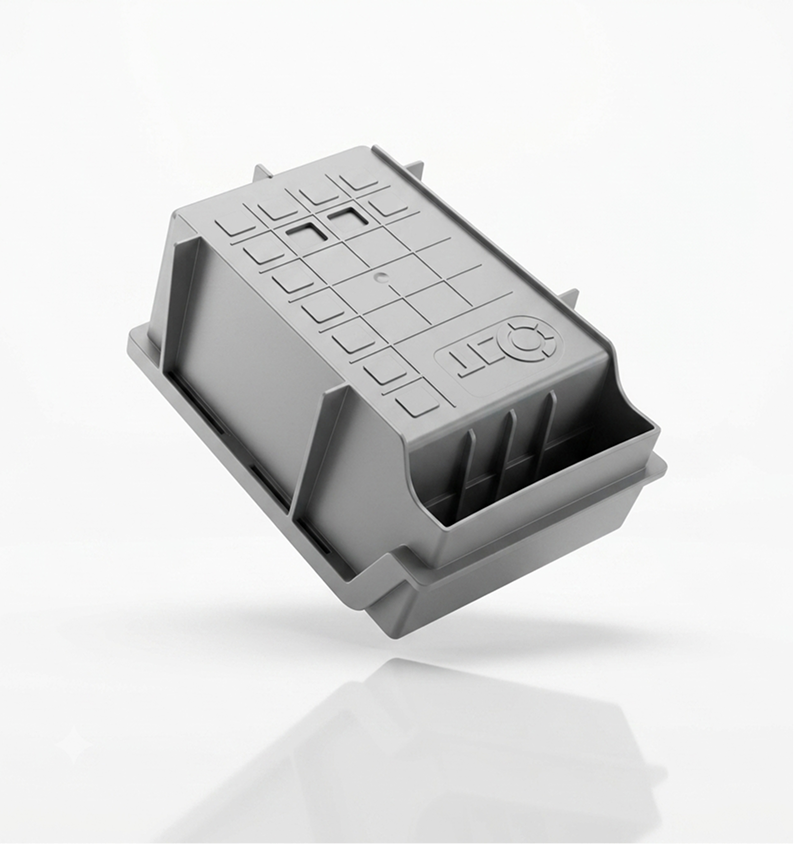
Consumer showcase part injected to demonstrate uniform dispersion of organic cellulose fibers.

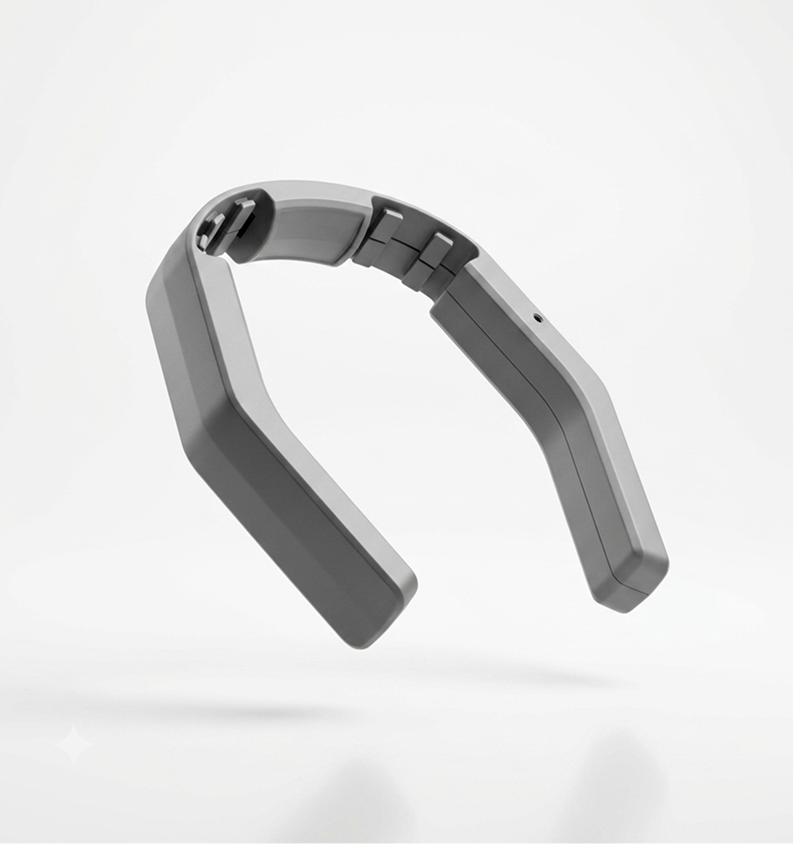
Medical/wellness device housing injected with biocomposite achieving precise micrometric fit.

Functional internal component successfully validated under cyclic washing thermal protocols.

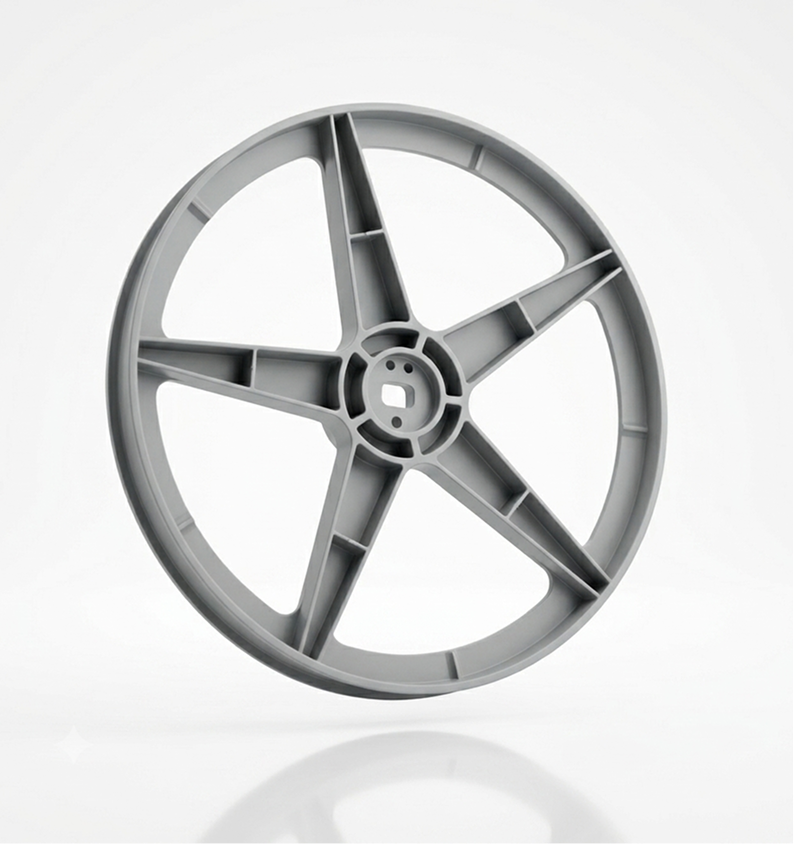
Flexible, snap-fit modular fasteners verified to resist chemical stress-cracking from detergents.
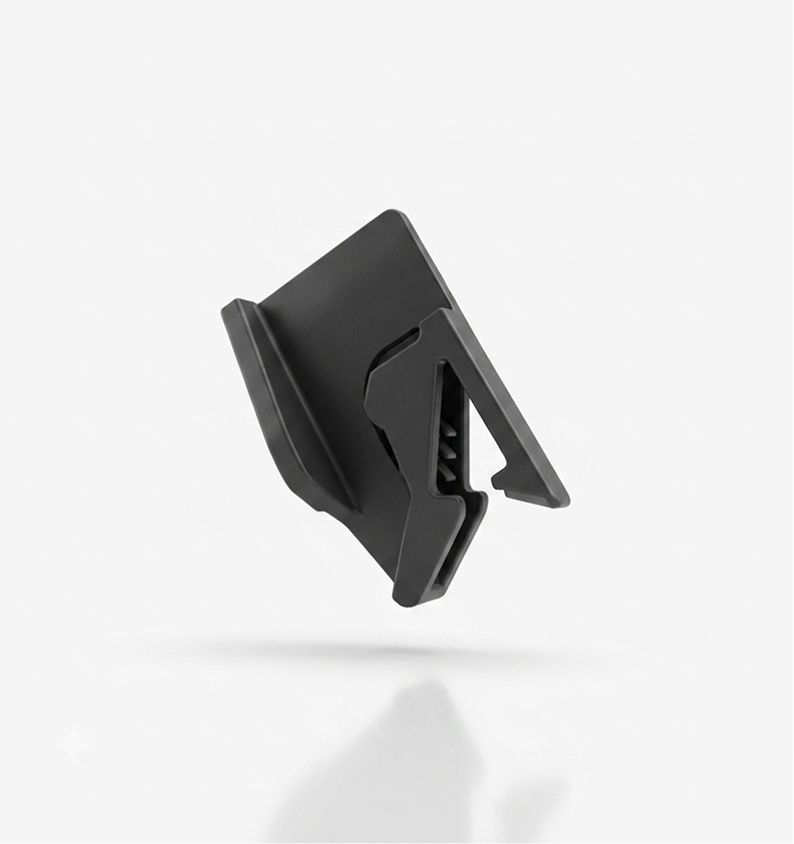
Highly rigid protective housing validated mechanically to withstand constant motor vibrations.

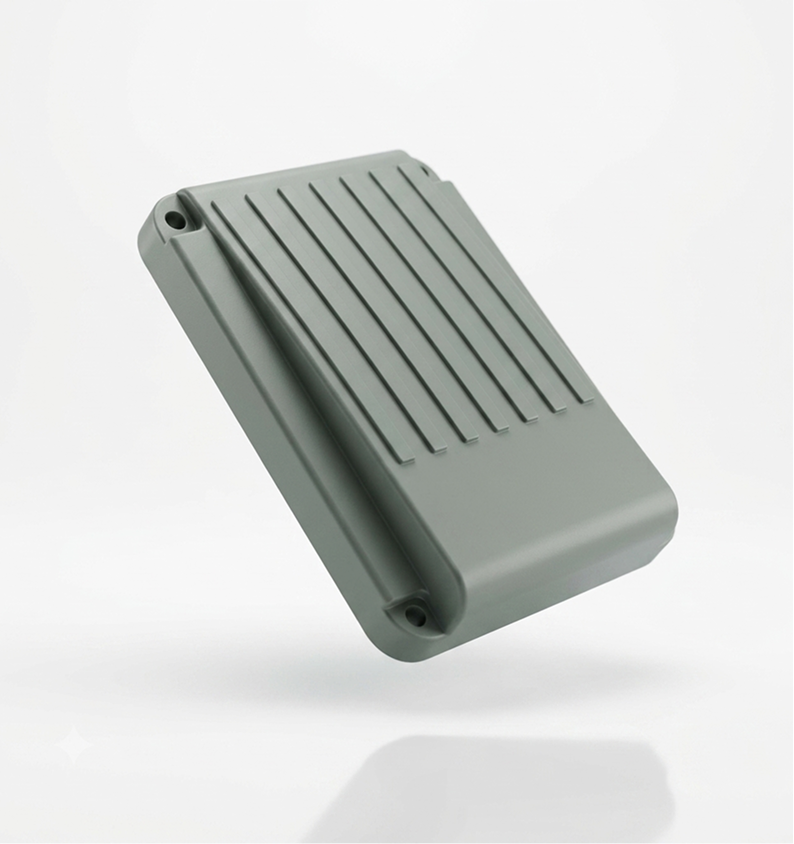
Strong potential for further product integration across multiple caravan and vehicle models.

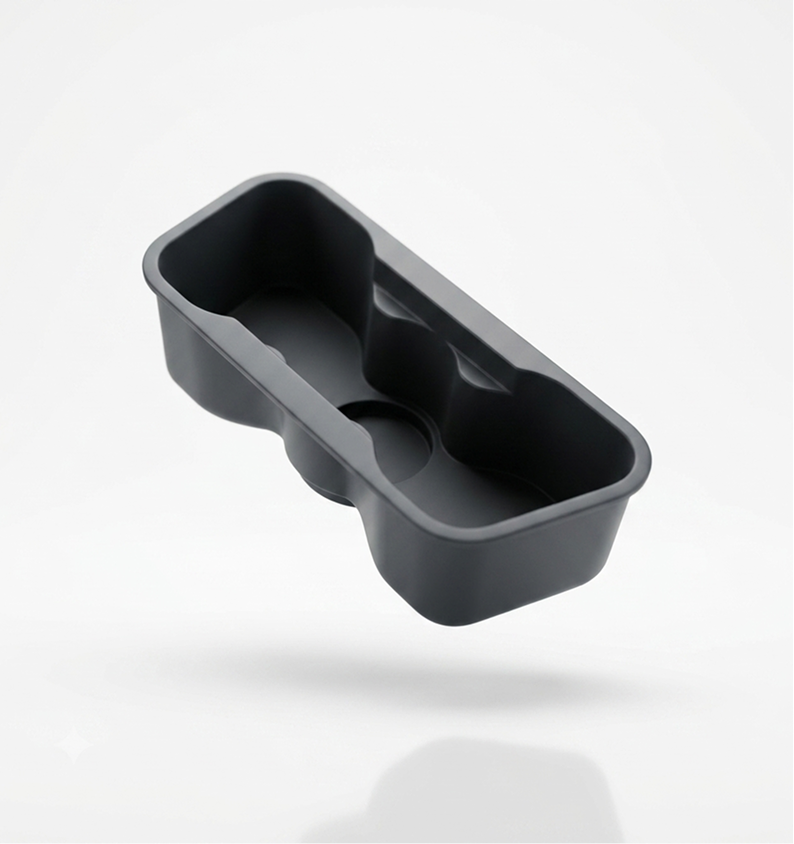
Good processability during standard injection moulding under highly stable process conditions.
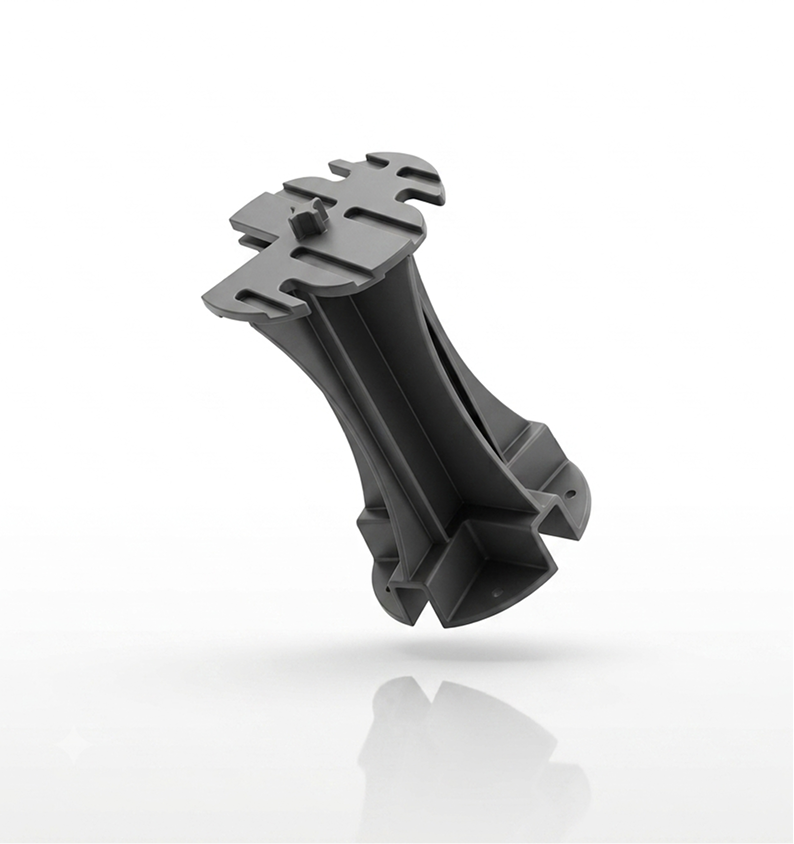
Casing manufactured from high-strength material resistant to continuous heat deflection.
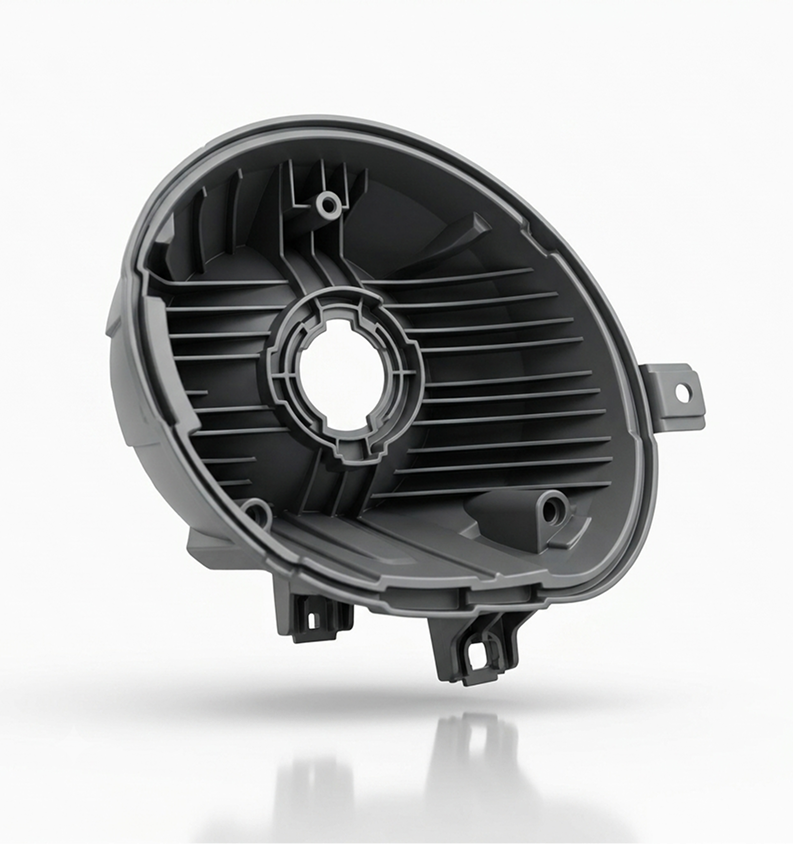
Flawless aesthetic and visual validation achieved for railway passenger cabin interiors.
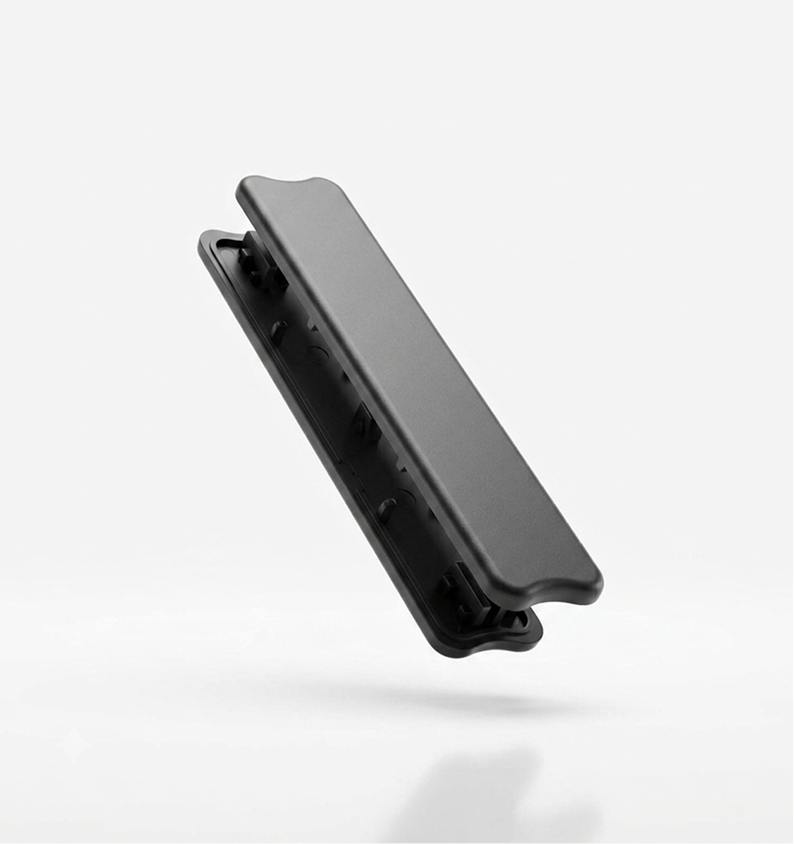
Structural load-bearing element injected with cellulose-reinforced biocomposite without compromising strength.

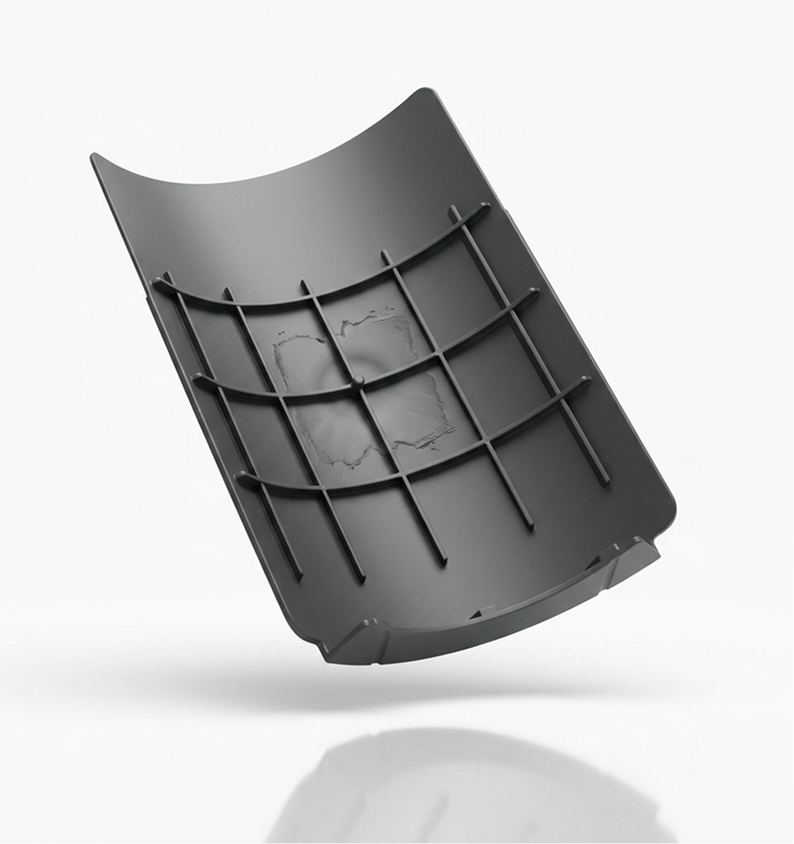
Successfully processed under standard industrial conditions without warp or leakage.